Directive 8020 Review: Lost in Space and Fear
The Dark Pictures: Directive 8020 Review – A Sci-Fi Horror Game With Big Ideas and Familiar Problems
Meta Description: The Dark Pictures: Directive 8020 takes Supermassive Games into sci-fi horror with an Alien and The Thing-inspired story, branching choices, stealth gameplay, and a new Turning Points system.
The Dark Pictures: Directive 8020 is the fifth main entry in Supermassive Games’ horror anthology, and it takes the series somewhere it has never gone before: deep space. After stories about ghost ships, witch trials, underground monsters, and slasher-style killers, this new chapter turns toward science-fiction horror with clear inspiration from Alien and John Carpenter’s The Thing.
On paper, that sounds like an excellent direction for the franchise. A trapped crew, an unknown planet, a deadly alien organism, and a shapeshifting threat that can imitate human bodies all fit perfectly with the kind of choice-driven horror Supermassive is known for. The idea is strong, the setting is promising, and the central monster gives the game a fresh reason to make players question every decision.
However, while Directive 8020 has some memorable ideas, it also shows the growing problems of The Dark Pictures formula. The game wants to feel more like a third-person action-horror title, but its stealth sections, puzzles, uneven voice acting, and slower pacing often weaken the cinematic tension that once made Supermassive’s games stand out.
What Is The Dark Pictures: Directive 8020?
The Dark Pictures: Directive 8020 is a cinematic horror adventure developed by Supermassive Games. Like previous entries in the anthology, the game focuses on branching choices, quick-time events, multiple endings, and the possibility that characters can permanently die based on player decisions.
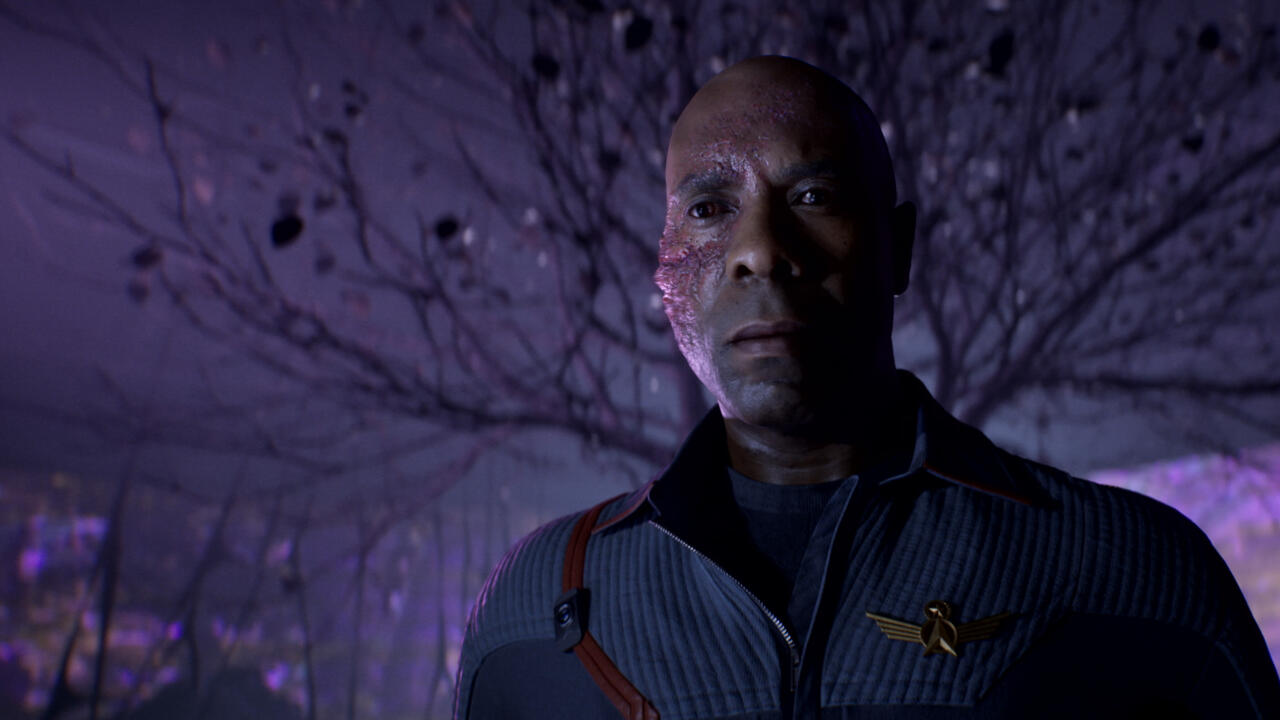
This time, the story follows a crew exploring Tau Ceti f, a potential new home for humanity. The mission quickly becomes a nightmare when disaster leaves the crew stranded and exposed to an alien lifeform capable of stealing organic likenesses. That means the monster can copy human faces and bodies, turning trust into one of the game’s biggest sources of tension.
The setup is simple but effective. Space is dangerous. The crew is isolated. Help is far away. And the people around you may not be who they appear to be. For a horror game built around player choice and survival, that premise has a lot of potential.
A Strong Sci-Fi Horror Premise
The best part of Directive 8020 is its core concept. Supermassive has always been good at choosing horror settings that are easy to understand and fun to explore. This time, the studio uses a mix of space survival horror and body-snatcher paranoia.
The influence of Alien is obvious in the way the game presents a crew trapped in a hostile sci-fi environment with an unknown creature stalking them. The influence of The Thing is even more important, because the monster’s ability to imitate humans gives every relationship a layer of doubt.
This works especially well with The Dark Pictures’ usual decision-making structure. In earlier games, players often had to choose who to save, who to trust, or who to sacrifice. Directive 8020 adds another layer: what if the person you are saving is no longer human?
That question gives the game real tension. In single-player, it makes every suspicious conversation feel more dangerous. In multiplayer, it becomes even more interesting because each player may become attached to different characters. Choosing to protect “your” character could be smart, selfish, or disastrous if that character has already been replaced by the alien organism.
The Multiplayer Setup Fits the Story
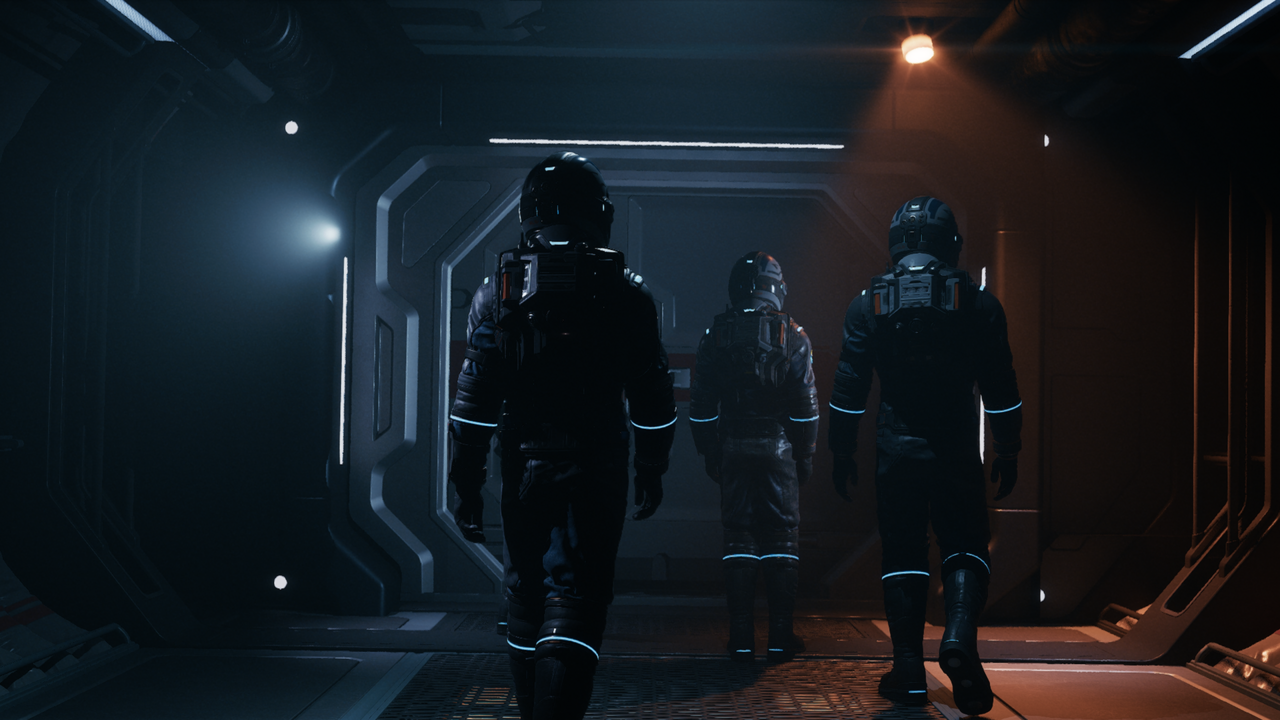
The Dark Pictures games have often been strongest when played with friends. Directive 8020 continues that tradition by giving players different characters to control and protect. Because the story includes a shapeshifting alien threat, the multiplayer setup feels more natural than ever.
In a normal horror story, player conflict usually comes from limited information or different priorities. Here, the conflict is built directly into the premise. If one character may secretly be an impostor, every choice becomes harder. A decision to save someone may feel heroic in one scene and foolish in the next.
This is where Directive 8020 delivers some of its best moments. The game is at its most effective when it makes players question identity, loyalty, and survival. A scene involving a bioscanner, where characters must prove their humanity, captures exactly the kind of paranoia the game is trying to create.
These moments show why the premise works. The problem is that the surrounding gameplay and presentation do not always support that tension as well as they should.
A Shift Away From Cinematic Horror
One of the biggest changes in Directive 8020 is its camera and gameplay style. Earlier Supermassive games, especially Until Dawn, used fixed camera angles that made the experience feel closer to a horror movie. Those angles could sometimes make movement feel clunky, but they also gave the games a strong cinematic identity.
Directive 8020 moves further toward a more traditional over-the-shoulder third-person perspective. This makes the game feel more familiar as an action-horror experience, but it also removes some of the visual personality that helped Supermassive’s earlier work feel special.
Without those cinematic angles, the weaknesses of the formula become more noticeable. The environments can feel less dramatic, the pacing can feel flatter, and the gameplay systems are not strong enough to compete with dedicated third-person horror games.
This is a major issue. If Directive 8020 wants to feel like a modern action-horror game, its movement, stealth, and puzzles need to be exciting. Too often, they feel functional rather than memorable.
Stealth Gameplay Feels Too Basic
Directive 8020 includes more traditional gameplay than many previous Dark Pictures entries. Players move through dangerous corridors, solve environmental puzzles, and avoid a shapeshifting monster during stealth sequences.
Unfortunately, the stealth is not one of the game’s strongest elements. Many sequences involve crouching behind low cover, waiting for predictable enemy movement, and moving from one safe point to another when the creature turns away. This can create tension the first few times, but it quickly becomes familiar.
Great stealth horror depends on fear, uncertainty, and improvisation. Directive 8020 sometimes has the fear, but the mechanics often feel too simple. When the monster follows predictable routes, the tension becomes more like solving a slow pathing puzzle than surviving an intelligent threat.
That does not mean every stealth section fails. The atmosphere can still work, especially when the player is unsure who is alive, who is human, and where the creature may appear next. But as pure gameplay, these sections do not feel strong enough to carry the experience.
Puzzles Hurt the Pacing
The game also includes environmental puzzles, but they are inconsistent. Some solutions are too obvious, while others can feel strangely unclear. That uneven design creates frustration and slows down the story.
This is especially noticeable because Directive 8020 is trying to mimic the pacing of a Hollywood sci-fi horror movie. In a game like this, players usually want tension, character drama, shocking choices, and dangerous consequences. Slow puzzles can interrupt that rhythm if they are not especially clever or emotionally connected to the scene.
When the puzzles are simple, they feel like filler. When they are confusing, they damage the momentum. Either way, they rarely become a highlight.
This points to a bigger problem with the game’s new direction. The more Directive 8020 tries to behave like a conventional third-person game, the more it has to compete with other games that do stealth, exploration, and puzzle design better.
Uneven Voice Acting and Character Delivery
Supermassive’s games depend heavily on performances. Because these games are built around dialogue, character relationships, and cinematic scenes, weak acting can quickly break immersion.
Directive 8020 has some solid performances, but others are distracting. Certain line deliveries feel unnatural, awkward, or mismatched with the scene. At times, different takes seem to clash with each other, making it harder to understand who the characters are meant to be emotionally.
This is a serious issue for a story-driven horror game. If the player cannot believe the characters, the fear becomes less effective. Horror works best when the audience cares about who might die. When performances feel inconsistent, the emotional stakes become weaker.
The branching structure may be partly responsible. Games like this require many versions of scenes, different dialogue paths, and multiple possible character states. That is difficult to manage. But the result still matters, and in Directive 8020, the uneven delivery becomes hard to ignore.
Technical Limits Show Through
Directive 8020 also shows signs that the series may be struggling with its current formula. Some cutscenes move awkwardly. Some camera work feels slow or unnatural. Characters occasionally stop moving so they can deliver dialogue that could have happened while walking.
These may sound like small complaints, but they add up. Supermassive’s best games work because they feel like interactive horror films. When scenes become stiff or uncanny, the illusion starts to break.
This is why Directive 8020 feels like a turning point for the franchise. The series still has good ideas, but the presentation is no longer as impressive as it needs to be. In a market filled with polished horror games, cinematic adventure games, and narrative-driven indies, The Dark Pictures cannot rely only on branching choices anymore.
The Turning Points System Is a Smart Addition
One of Directive 8020’s best new features is the Turning Points system. This system allows players to revisit major story branches more easily. After an important outcome, players can rewind and explore a different path, or they can use the story timeline later to jump into unseen sections.
This is a very useful feature for completionists. The Dark Pictures games are built around alternate choices and hidden outcomes, but replaying large sections to find new branches can be time-consuming. Turning Points makes the process much smoother.
It also helps players who regret a major decision. Some fans prefer to live with every choice, even when a character dies. Others want to see different outcomes or correct a mistake. Turning Points supports both play styles without forcing everyone into the same approach.
The system does not fix the game’s weaker performances or pacing issues, but it makes Directive 8020 more flexible. For players who enjoy exploring every branch of a story, it may be one of the most welcome improvements in the series.
Does Directive 8020 Still Feel Like The Dark Pictures?
Yes, Directive 8020 still has the core pieces of a Dark Pictures game. There are branching choices, quick-time events, stressful decisions, character deaths, secrets, and multiplayer drama. The game still wants players to argue over decisions, regret mistakes, and compare endings.
However, it also feels like the series is moving away from what made it unique. The more Directive 8020 becomes a standard third-person horror game, the less special it feels. The older cinematic style had flaws, but it gave the series a clear identity. This newer approach risks making the gameplay feel ordinary.
That is the strange position Directive 8020 finds itself in. Its story concept is one of the most exciting in the anthology, but its execution makes the series’ long-running problems harder to ignore.
Who Should Play Directive 8020?
Directive 8020 may still be worth playing for fans of Supermassive’s interactive horror style, especially those who enjoy multiplayer sessions with friends. The shapeshifting alien premise creates great opportunities for suspicion and betrayal, and the Turning Points system makes it easier to explore different outcomes.
Players who love sci-fi horror may also enjoy the setting, especially if they are fans of stories inspired by Alien, The Thing, or paranoia-driven survival horror. The game’s best scenes understand why those influences work.
However, players looking for polished stealth, deep puzzles, or strong action-horror gameplay may be disappointed. Directive 8020 is more interesting as a branching horror story than as a traditional third-person game.
Final Thoughts
The Dark Pictures: Directive 8020 has one of the strongest premises in Supermassive’s anthology. A stranded space crew, a hostile planet, and a monster that can copy human bodies should be perfect material for a choice-driven horror game.
At its best, Directive 8020 creates real paranoia. It makes players question who they can trust and whether saving someone could doom everyone else. The multiplayer structure fits this idea extremely well, and the new Turning Points system is a smart improvement for replayability.
But the game is also held back by weak stealth, uneven puzzles, inconsistent performances, and a move away from the cinematic style that once made Supermassive’s horror games feel special. Instead of feeling like the next evolution of The Dark Pictures, Directive 8020 sometimes feels like a series trying to become something it is not fully equipped to be.
For dedicated fans, there is still enough here to experience, especially if you enjoy branching horror stories with friends. But Directive 8020 also makes it clear that The Dark Pictures may need a major refresh if it wants to reach the same high bar that Supermassive set with Until Dawn.