
Ubisoft Security Breach 2026: Tactical Shooters Compromised as “67” Meme Bans Flood Servers








Popular Now
 CarX Street
 Fortnite
 BeamNG.drive
 Rust
Rust
 Brawl Stars
Stumble Guys
Brawl Stars
Stumble Guys
 Fall Guys
League of Legends
Fall Guys
League of Legends
 Roblox
Genshin Impact
Roblox
Genshin Impact 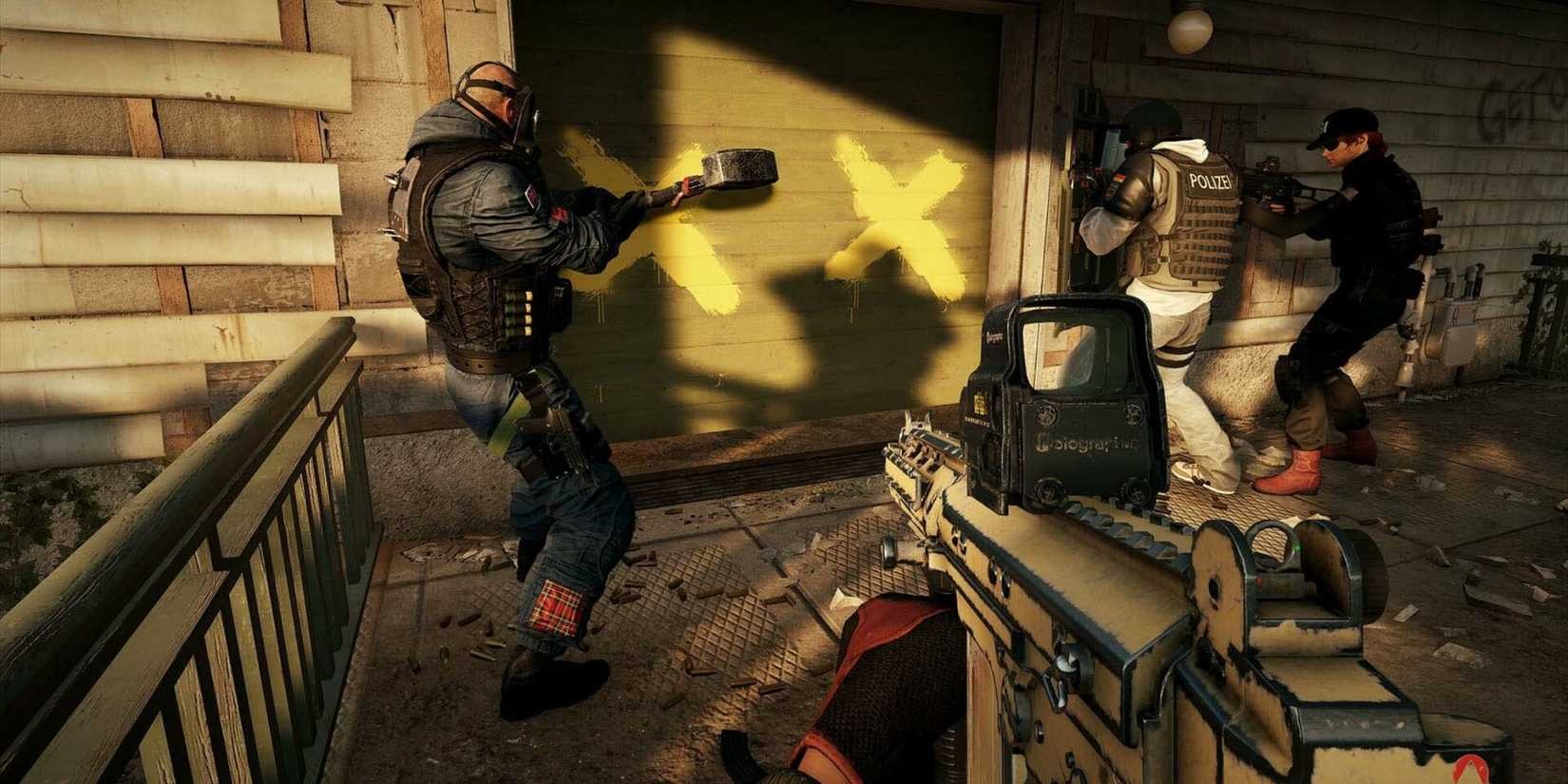
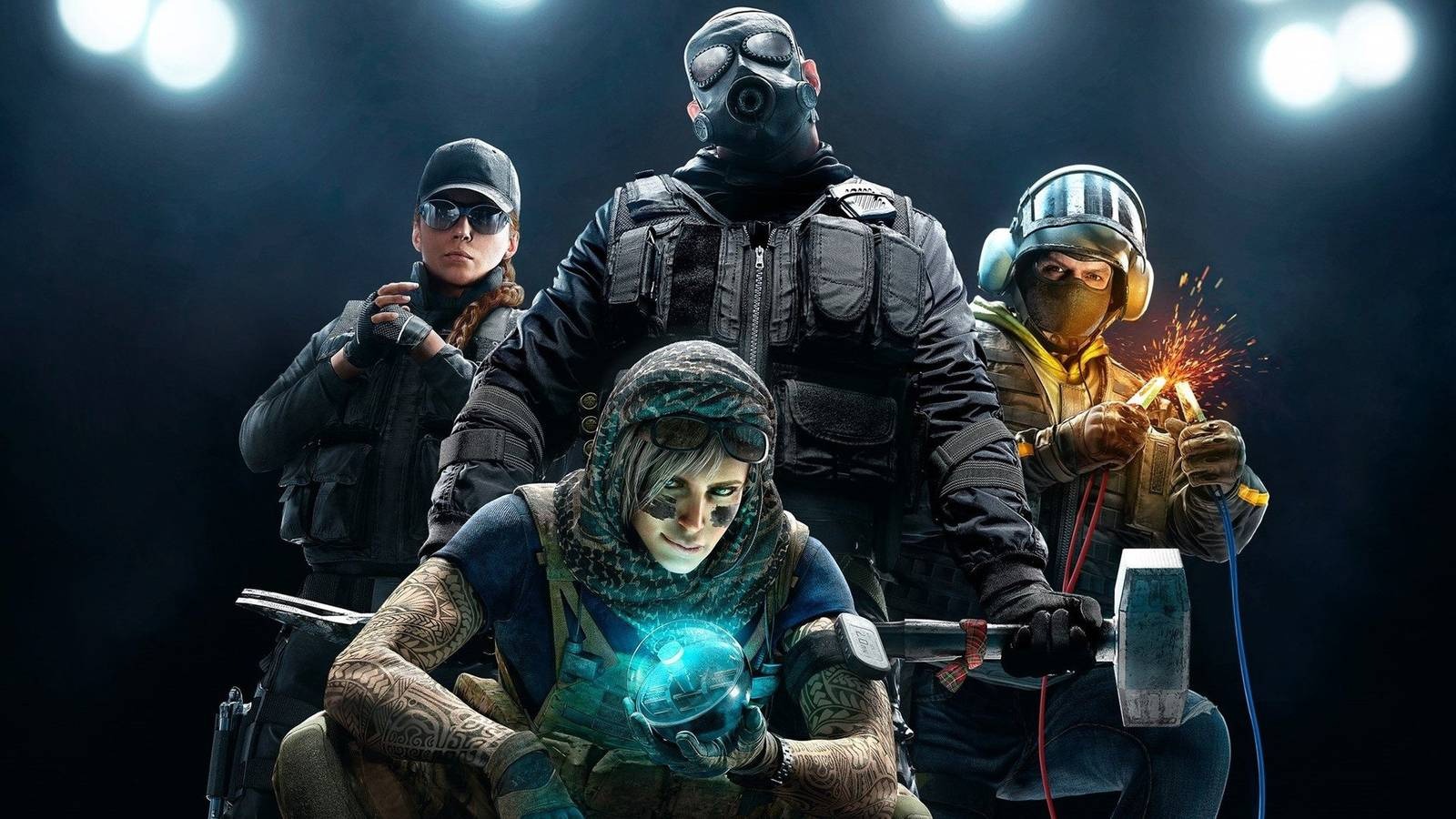
The dawn of 2026 has brought a familiar but intensified headache for Ubisoft. Just as the French publisher was beginning to see the fruits of its “Creative Houses” restructuring, a massive security breach has once again compromised its flagship tactical shooter, Rainbow Six Siege X. This latest incident, which unfolded over the weekend of January 4, 2026, marks the second major backend compromise for the company in less than ten days, following a similar Christmas-week hack. However, this time, the attackers have opted for psychological warfare over simple digital vandalism, utilizing a viral “brainrot” meme to issue mass bans to the player base.
The Return of the Breach: Technical Failures and Player Fallout
The initial reports of the breach surfaced across social media platforms late Sunday evening. Players attempting to log into the competitive FPS environment found themselves staring at a startling notification: a 67-day ban for “Harassment Offenses.” While Ubisoft’s anti-cheat software—a combination of the veteran BattleEye and their proprietary ShieldGuard—is designed to filter toxicity, the scale of this wave was clearly non-organic.
Technical analysts suggest that the hackers exploited a vulnerability in the game’s backend database. Early speculation points toward a MongoDB exploit (CVE-2025-14847) that allowed unauthorized access to player account metadata and the sanctioning system. This vulnerability highlights a growing concern in online multiplayer security: even with kernel-level drivers, a breach at the database layer can bypass client-side protections entirely, leaving millions of players vulnerable to administrative manipulation.
The “67” Meme: When Brainrot Becomes a Digital Weapon
What makes this hack particularly “2026” is the choice of the sanction’s duration and theme. The 67-day ban is not a random number; it is a direct reference to the “67” or “Six Seven Six Seven” meme that has dominated TikTok and gaming forums throughout the latter half of 2025. Originating from a viral rap snippet referencing a Philadelphia neighborhood, the “67” meme evolved into what the internet calls “brainrot”—a term for nonsensical, repetitive content that gains cult-like status among Gen Z and Gen Alpha gamers.
Hackers didn’t just ban players; they taunted them. Many users reported receiving system messages stating: “We wanted to let you know that 67676767 of your reports led to sanctions.” This level of sophistication in the “trolling” aspect of the hack suggests that the perpetrators are intimately familiar with the online gaming community culture. It transforms a standard security failure into a public relations nightmare, as the ban itself becomes a viral sensation, further damaging the professional image of Ubisoft’s Esports ecosystem.
Reviewing the Impact: Is Ubisoft Losing the War on Cheating?
From a reviewer’s perspective, the state of Rainbow Six Siege X in early 2026 is a study in contradictions. On one hand, the game remains the gold standard for high-stakes tactical combat, boasting incredible gaming hardware performance optimizations and refined environmental destruction. On the other hand, the persistent instability of its game server hosting and the frequency of these “backend hijackings” make it difficult to recommend the title for serious competitive play.
Player trust is at an all-time low. For a live-service title that relies heavily on premium subscription models and digital storefronts, the inability to protect the “ban” button from external actors is a critical failure. This incident follows a previous hack in late December where the attackers actually gifted players in-game credits—a move that seemed designed to win favor with the community while exposing Ubisoft’s lack of control over its own economy. By pivoting to meme-based bans in January, the hackers are now demonstrating that they can take away as easily as they can give.
Industry Trends: The Cost of Security in the 2026 Gaming Landscape
This breach is a wake-up call for the broader industry regarding cyber-security trends in 2026. As more publishers move toward cloud gaming services and integrated meta-progression systems, the “attack surface” for hackers expands exponentially. Ubisoft’s recent shift toward “Creative Houses” was intended to streamline development, but it may have left gaps in their centralized security infrastructure.
To combat these threats, several high-tier developers are looking into AI-powered pentesting and more robust video game development tools that integrate security checks directly into the CI/CD pipeline. However, as seen in this case, even the most advanced anti-cheat software is useless if the underlying database is left unsecured.
Analysis of Potential Solutions for Ubisoft
For Ubisoft to regain its footing, several drastic measures are required:
| Measure | Description | Primary Benefit |
| Database Overhaul | Migrating away from vulnerable legacy MongoDB configurations to more secure, encrypted alternatives. | Prevents unauthorized access to player sanctions and account status. |
| Two-Factor Sanctioning | Requiring dual-authorization from human moderators for any ban wave exceeding a certain threshold. | Mitigates the impact of automated “ban-bombs” launched by hackers. |
| Enhanced VPN Integration | Partnering with best gaming VPN providers to secure the connection between the client and the regional servers. | Reduces the risk of DDoS attacks and local packet injection. |
| Community Compensation | Issuing “Restoration Bundles” to all affected accounts, including exclusive skins and XP boosters. | Rebuilds player goodwill and maintains the active user base. |
Final Thoughts: A Warning for the Modern Gamer
The “67” meme hack is more than just a prank; it is a symptom of a fragile digital infrastructure in the age of hyper-connectivity. For players, this serves as a reminder to ensure their Ubisoft account protection is maximized with multi-factor authentication, even if it cannot stop a server-side breach. For the industry, it is a reminder that in 2026, a “popular meme” can be just as destructive as a virus.
Ubisoft has officially acknowledged the issue on their support forums, stating that they are “working to reverse all unauthorized sanctions.” However, for many who missed out on the first weekend of the 2026 competitive season, the damage is already done. As we look toward the release of Assassin’s Creed Shadows and the next Far Cry entry, the question remains: Can Ubisoft secure its future, or will it remain a playground for the internet’s most chaotic actors?
Source Note: Information regarding the January 4th breach was compiled from reports on SiegeGG, GosuGamers, and community discussions on Reddit’s r/Rainbow6.