OPUS: Prism Peak – A Beautiful Journey Framed Through the Lens
OPUS: Prism Peak – A Beautiful Journey Through Grief, Memory, and Hope
There are games that entertain us for a few evenings, games that challenge our reflexes until frustration takes over, and then there are the truly rare experiences that quietly stay with us long after the credits finish rolling. OPUS: Prism Peak belongs firmly in that final category.
Developed by SIGONO and published by Shueisha Games, this emotional narrative adventure transforms photography into something far more meaningful than a simple gameplay mechanic. Released on April 15, 2026 for PC, Nintendo Switch, and Nintendo Switch 2, OPUS: Prism Peak tells a deeply human story about regret, fractured relationships, and the fragile persistence of hope.
At a time when many story-driven games chase spectacle and cinematic excess, OPUS: Prism Peak chooses a quieter, more intimate approach—and it works brilliantly.
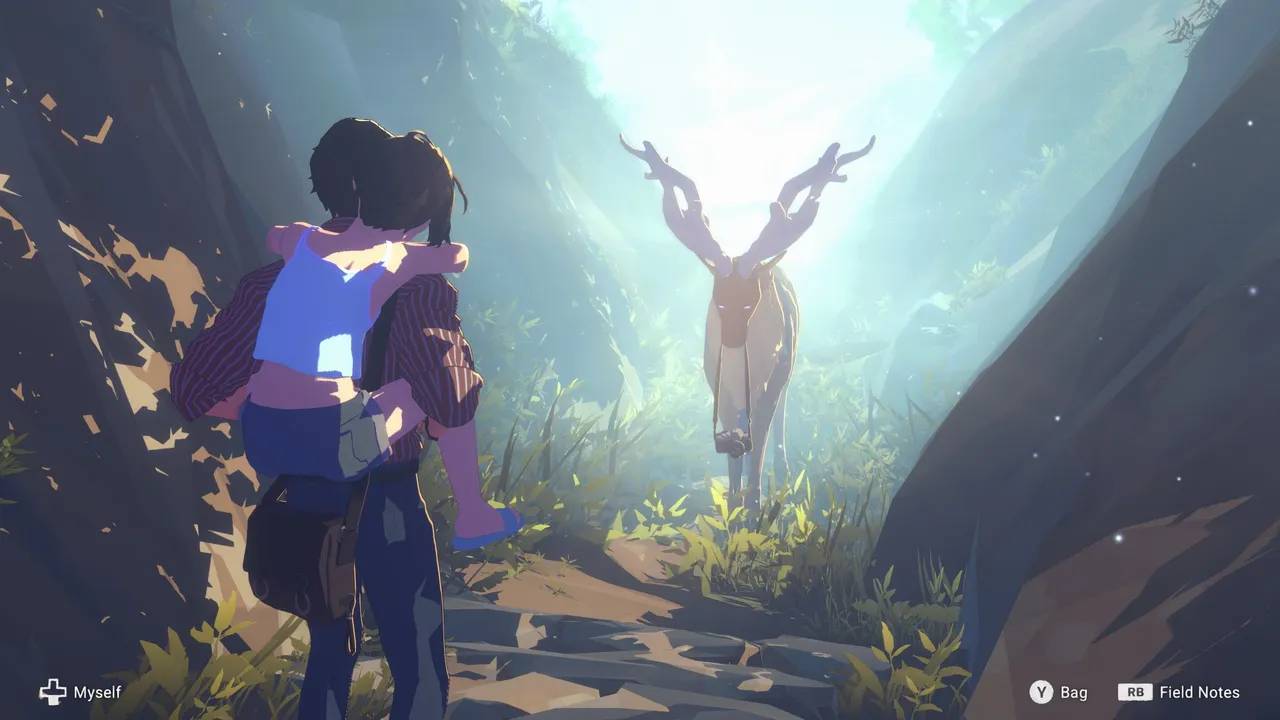
The Story: A Journey Through the Dusklands
The story follows Eugene, a forty-year-old former photojournalist returning to his mountain hometown to attend his grandfather’s funeral. Eugene is not a heroic protagonist in the traditional sense. He is emotionally exhausted, burdened by years of failed relationships, abandoned dreams, and self-inflicted mistakes.
His marriage collapsed. His photography career disappeared. His personal life slowly fell apart under the weight of regret.
While driving through the mountains, Eugene crashes his car after becoming trapped in an unnatural fog. Upon waking, he encounters a mysterious young girl named Ren, who warns him about an approaching danger known only as The Shade. Together, they flee into a surreal realm called the Dusklands—a haunting world filled with animal spirits, endless mist, and fragmented memories.
Ren remembers almost nothing about herself except for one overwhelming instinct: she must reach the distant mountain at the center of the Dusklands.
What follows is one of the most emotionally powerful narratives in recent indie gaming memory. The story constantly shifts between Eugene’s present-day journey and black-and-white flashbacks from his past, presented in a visual novel style that resembles old photographs frozen in time.
Each spirit Eugene encounters represents someone important from his life. Some symbolize people who betrayed him. Others reflect individuals he personally failed. Slowly uncovering the identity behind every spirit becomes one of the game’s most compelling emotional hooks.
The writing is mature, restrained, and deeply human. Rather than relying on dramatic twists or manipulative emotional scenes, OPUS: Prism Peak earns its emotional weight naturally through quiet conversations, uncomfortable memories, and subtle character development.
Gameplay & Photography Mechanics: More Than Just Taking Pictures
At first glance, the photography system may appear relatively simple, but OPUS: Prism Peak gradually reveals surprising mechanical depth.
At nearly any point during exploration, Eugene can raise his camera and enter a first-person photography mode. Players can frame shots manually, adjust focus, experiment with shutter speed, modify exposure settings, and unlock various lenses and filters as the story progresses.
Importantly, photography is not treated as a gimmick. It serves as the emotional foundation of the entire experience.
Taking photographs forces players to slow down and carefully observe the world around them. Every image becomes an act of reflection rather than a collectible objective marker.
- Photographs can unlock hidden story paths.
- Certain images reveal important emotional memories.
- Captured moments are stored inside Eugene’s notebook journal.
- Some discoveries can dramatically alter the ending.
The notebook system itself is ambitious and filled with lore, spirit records, emotional observations, and collectible memories. While occasionally overwhelming due to the amount of information available, it adds significant depth to the world-building.
The game also encourages replayability by hiding major emotional details behind optional exploration. Finishing the game once often leaves players feeling like they barely scratched the surface of everything hidden within the Dusklands.
The Pacing Problem
Not every gameplay mechanic lands perfectly, however.
Several chase sequences involving The Shade feel oddly disconnected from the slower emotional pacing established throughout the rest of the game. These moments introduce sudden survival-horror energy that occasionally clashes with the otherwise reflective atmosphere.
Additionally, the world structure remains fairly linear despite the amount of optional exploration available. Some players may wish the environments allowed for greater freedom and experimentation.
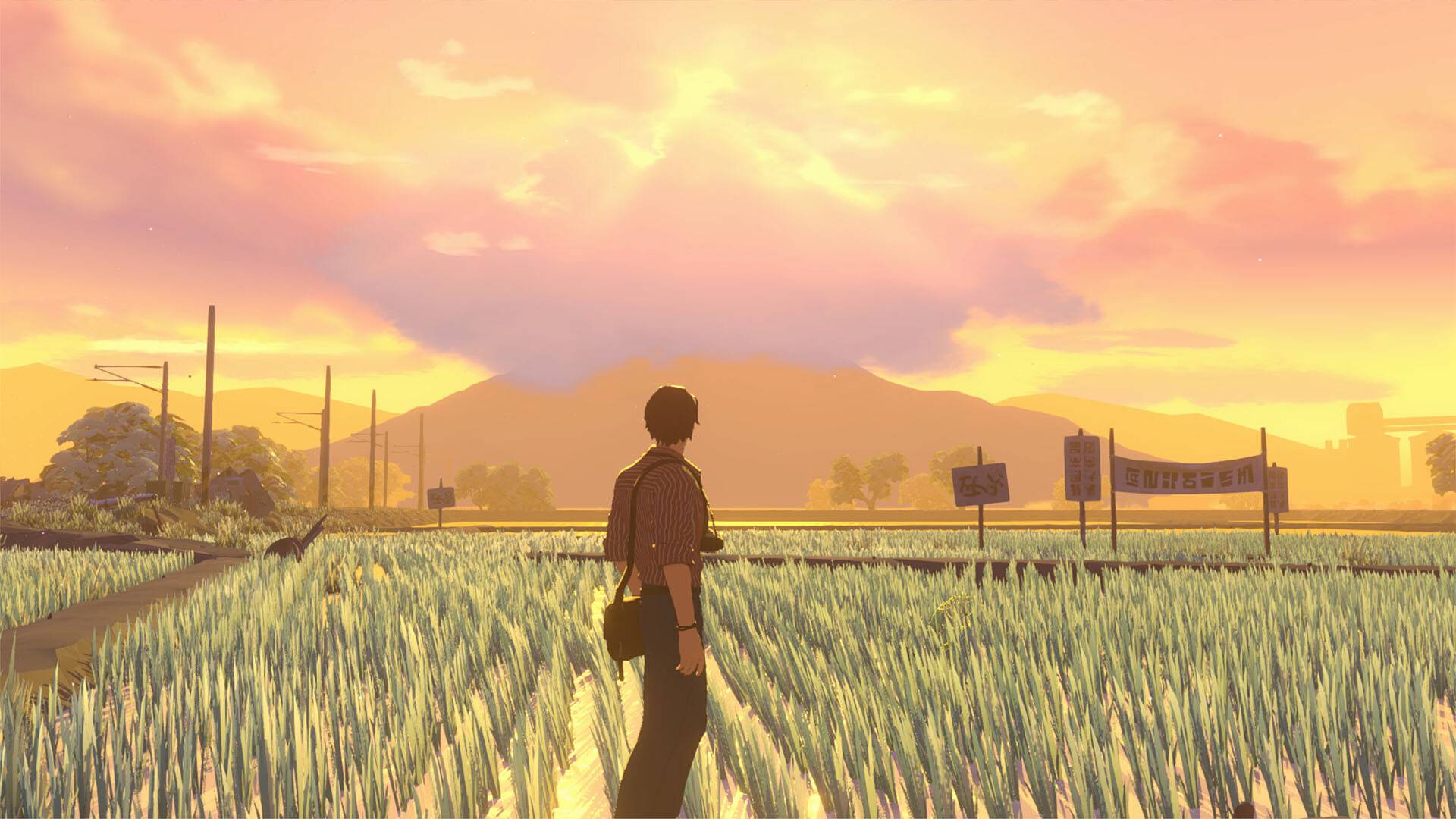
Visuals & Atmosphere: One of 2026’s Most Beautiful Indie Games
Visually, OPUS: Prism Peak is absolutely stunning.
The game uses a highly stylized 3D anime-inspired art direction filled with atmospheric lighting, dense fog effects, vivid color palettes, and emotionally charged environmental storytelling.
The Dusklands constantly shift between warmth and melancholy. Some locations feel alive with color and quiet wonder, while others appear abandoned, damaged, and emotionally suffocating.
The contrast works beautifully because it mirrors Eugene’s internal emotional state throughout the story.
The black-and-white flashback sequences deserve special recognition as well. Presented in an illustrated visual novel format, these moments resemble old newspaper sketches or forgotten family photographs, perfectly reinforcing the game’s themes surrounding memory and loss.
[Image Placeholder: Eugene standing in the fog-covered Dusklands with his camera raised toward distant glowing animal spirits]Character design is equally impressive. The animal spirits scattered across the Dusklands are imaginative, mysterious, and emotionally expressive despite their surreal appearances. Many of them leave a surprisingly strong emotional impact after only a few scenes.
Performance & Technical Experience
Testing the game on PC (Ryzen 9 5900X, RTX 3080 Ti, 32 GB RAM), performance remained consistently excellent throughout the entire experience.
Despite its gorgeous visual presentation, OPUS: Prism Peak is remarkably well optimized and does not require high-end hardware to run smoothly. Frame rates consistently stayed above 100 FPS during exploration without major crashes, stuttering, or technical instability.
Even older gaming PCs should have little difficulty handling the game comfortably at solid settings.
The only major disappointment is the lack of ultrawide monitor support. Players using ultrawide displays will encounter persistent black bars during gameplay, which slightly damages immersion.
Outside of that issue, the overall technical experience is polished and stable.
Sound Design & Voice Acting: Quietly Exceptional
The soundtrack in OPUS: Prism Peak is extraordinary.
Its blend of soft piano melodies, ambient electronic textures, and emotionally restrained orchestral compositions creates an atmosphere that perfectly complements the game’s introspective storytelling.
Rather than overwhelming emotional scenes, the music quietly supports them, allowing silence and atmosphere to carry equal importance.
Many of the tracks linger in your head long after finishing the game—a hallmark of a truly memorable soundtrack.
The voice acting is equally strong across the board. Eugene’s performance especially deserves praise for capturing exhaustion, guilt, vulnerability, and emotional numbness with remarkable authenticity.
| Game Details | Technical Specifications |
|---|---|
| Title | OPUS: Prism Peak |
| Developer / Publisher | SIGONO / Shueisha Games |
| Release Date | April 15, 2026 |
| Platforms | PC, Nintendo Switch, Nintendo Switch 2 |
| Genre | Narrative Adventure / Photography RPG |
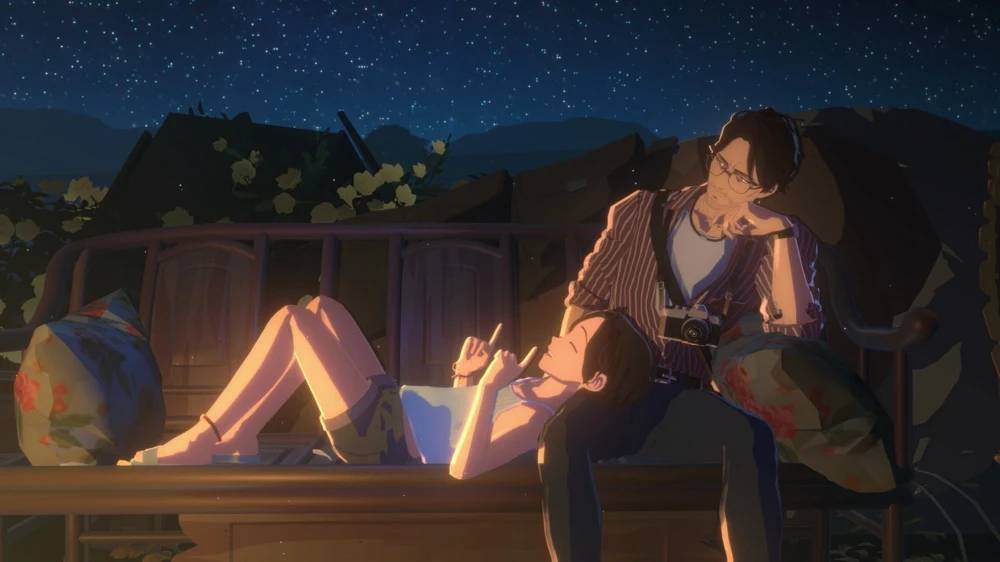
The Verdict: Is OPUS: Prism Peak Worth Playing?
OPUS: Prism Peak is one of the finest narrative-driven indie games released in recent years.
It is a deeply emotional experience about grief, regret, memory, forgiveness, and the difficult process of learning how to move forward after years of emotional damage. The writing feels authentic, the atmosphere is unforgettable, and the photography mechanics elevate the storytelling instead of distracting from it.
While certain gameplay sections disrupt the pacing and the notebook system occasionally becomes overwhelming, these flaws barely diminish the emotional impact of the overall experience.
SIGONO has created something genuinely special here: a game that understands how powerful quiet storytelling can be when handled with care and confidence.
If you enjoy emotionally driven narrative adventures like To the Moon, Spiritfarer, or Life is Strange, OPUS: Prism Peak absolutely deserves a place on your must-play list.
Pros:
- Emotionally powerful and mature storytelling.
- Photography mechanics meaningfully support the narrative.
- Stunning art direction and atmospheric world design.
- Exceptional soundtrack and voice performances.
Cons:
- Some chase sequences feel tonally inconsistent.
- Notebook system can occasionally overwhelm players.
- No ultrawide monitor support.
Final Score: 9.5 / 10