LE MANS ULTIMATE 1.0: THE HIGH-FIDELITY ENDURANCE TEST STRICTLY FOR PURISTS
Le Mans Ultimate 1.0 Review: The Unrivaled King of Endurance Sim Racing
The checkered flag has finally waved on the early access period, and Le Mans Ultimate 1.0 has officially hit the grid. Developed by Studio 397—the seasoned veterans responsible for the critically acclaimed rFactor 2—this official game of the FIA World Endurance Championship (WEC) arrives with massive expectations from the sim racing community. After spending countless hours behind the virtual wheel, analyzing telemetry data, and battling through multi-class traffic, it is abundantly clear that this is one of the most immersive, realistic, and deeply satisfying sim racing experiences on the modern market.
Studio 397 has managed to capture the exhausting, exhilarating essence of endurance racing in a way that few titles have ever achieved. However, while the on-track action is practically flawless, a glaring lack of structured single-player content might leave some solo racers staring at an empty paddock. Here is our comprehensive review of Le Mans Ultimate 1.0, exploring everything from the tire physics and AI racecraft to player retention.

Physics and Handling: Raising the Bar for Realism
Let’s start with the undisputed highlight of the package: the physics engine. Built upon the legendary rFactor 2 physics model, Le Mans Ultimate delivers an incredibly grounded and realistic driving experience that demands absolute respect. Whether you are locking up under heavy braking into Monza's treacherous first chicane, or feeling the chassis violently shudder as you push 200 mph down the iconic Mulsanne Straight, the game constantly feeds you vital, high-fidelity feedback.
The car handling feels remarkably nuanced and highly responsive. You can distinctly feel the exact moment the rear end is about to step out due to throttle oversteer, or when the front tires begin to scrub and understeer after a missed braking point. The driving model is deep, punishing to the impatient, but inherently fair. Once you get the hang of balancing aerodynamic grip with mechanical grip, it is an extremely rewarding loop. For hardcore sim racers who live for uncompromising realism, this physics engine is exactly what you want from a modern simulator.
Multi-Class Mastery: Hypercars, LMP2, and GTE
Because this is the official WEC game, mastering Le Mans Ultimate requires a deep understanding of multi-class racing dynamics.
- Hypercars: Driving these heavy, aggressively fast prototypes requires careful management of their complex hybrid deployment systems.
- LMP2: Throwing a high-downforce LMP2 prototype through the high-speed corners of Spa-Francorchamps requires immense trust in the vehicle's aerodynamics.
- GTE: This class offers a raw, traditional challenge defined by weight transfer and mechanical grip.
Navigating a Hypercar through a pack of slower GTE traffic in the dead of night is a terrifying, pulse-pounding thrill ride that this game nails perfectly.
Controller Accessibility: A Pleasant Surprise
While a direct-drive wheel and load-cell pedal setup will undoubtedly elevate the immersion to its absolute peak, one thing that truly surprised us was how well Le Mans Ultimate translates to a standard gamepad.
Using a PlayStation DualSense controller on PC, the game offers tight, competitive racing without requiring a multi-thousand-dollar sim rig. The rumble triggers do an excellent job of translating tire slip and brake lock-up directly to your fingertips. With only minimal assists applied (we strongly recommend keeping the anti-lock brake assist on, as threshold braking without it on a controller is brutally difficult), the game remains incredibly playable and enjoyable. Controller players should not feel alienated by the game's "hardcore simulator" tag.
Visuals, Audio, and Cinematic Content Creation
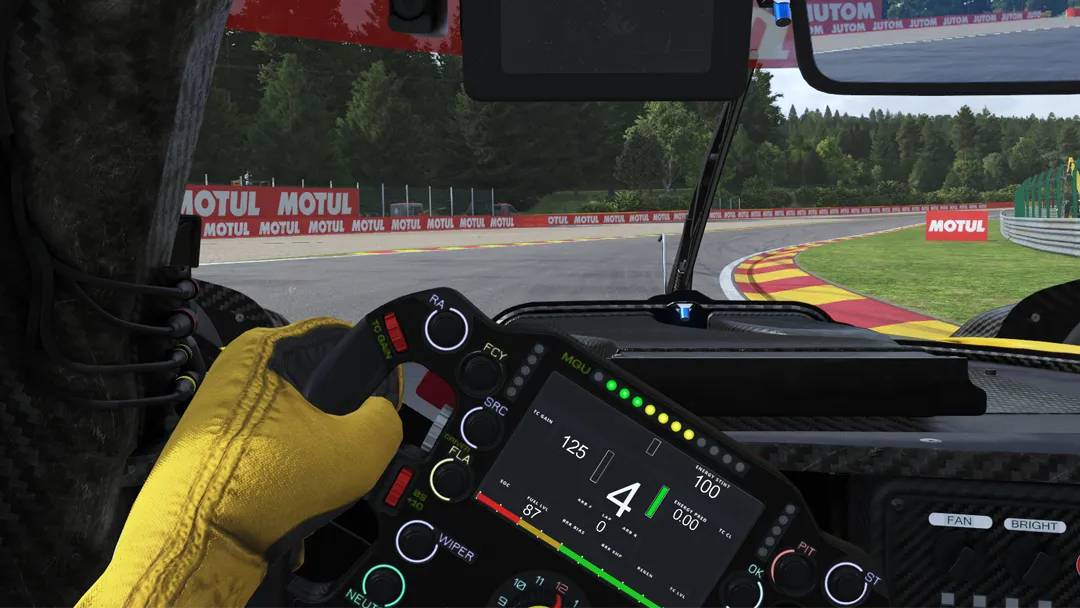
Visually, the title prioritizes function over form. It might not go toe-to-toe with the glossy, ray-traced showroom aesthetics of Gran Turismo 7 or Forza Motorsport, but it looks incredibly sharp where it matters. The car models are highly detailed, the weather effects heavily impact track surface reflections, and the framerates remain rock-solid—a critical necessity for competitive sim racing.
Beyond the cockpit, the game's presentation holds immense value for professional video editors specializing in gaming content. The robust replay system is an absolute goldmine for crafting cinematic video intro sequences. If you are managing digital ad campaigns and need to capture high-resolution images or engaging B-roll that drives a massive Click-Through Rate, the dramatic lighting across the WEC circuits provides breathtaking raw material. Capturing the aggressive, dynamic weather shifts at Le Mans or framing the perfect Call to Action alongside a glowing Hypercar at midnight is seamless.
Immaculate Audio Mixing
Audio is another massive standout feature. The sound mixing is aggressive, rich, and authentic. The violent roar of a hybrid engine, the aggressive thud of sequential gear shifts, and the high-pitched screech of tire scrub on the tarmac all work in perfect harmony. Whether you're tearing through the Porsche Curves or slicing through traffic down a straightaway, the audio engineering sells the illusion that you're strapped into a multi-million-dollar race car, fighting for every single tenth of a second. It easily ranks among the best-sounding sims on the market today.
AI and Offline Racing: A Masterclass in Racecraft
For players who spend time in mainstream titles and frequently find themselves frustrated by lifeless, parade-lap AI, Le Mans Ultimate is a massive breath of fresh air.
The AI drivers here are aggressive, intelligent, and highly capable of executing real-world racecraft. They don't just stick rigidly to a predefined racing line. They will actively block the inside line to defend their position, dive into corners for late-braking overtakes, and even attempt to execute the classic "switcheroo" out of heavy braking zones. While no AI is completely flawless, this system is a monumental step forward compared to most contemporary racing titles. For those who want the thrill of competitive racing without jumping into online lobbies, the offline AI provides a genuinely engaging challenge.
Telemetry, Customization, and Track Roster
Customization is a cornerstone of the Le Mans Ultimate experience. The garage allows you to tweak almost every conceivable parameter on your vehicle. From precise tire pressures and suspension damping to aerodynamic rake and brake bias, the depth is staggering.
More importantly, the game provides detailed telemetry data to help you understand the direct impact of every adjustment. Tracking tire and brake temperatures, wear levels, and live pressure readings is beautifully presented on the UI. For players who love to dial in their setup to shave fractions of a second off their lap times, the data analysis tools here are a dream come true.
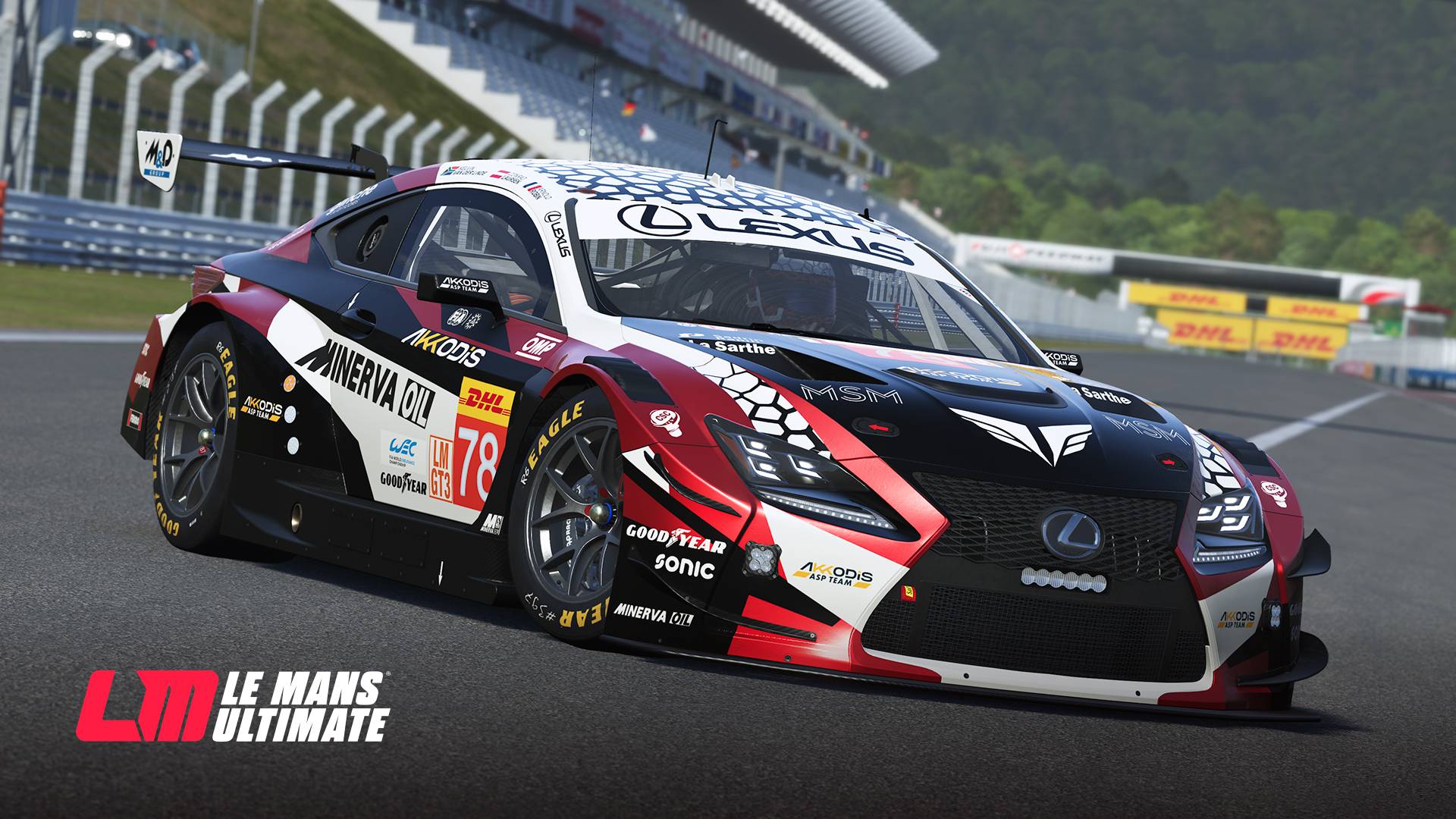
The track list is strong, particularly if you dive into the available DLC packages. Players currently have access to 11 highly detailed, laser-scanned tracks that make up the WEC calendar. Many of these locations feature multiple layouts, offering three or four distinct variations per venue. While it isn’t the 100+ track roster you might find in mainstream arcade racers, it is a highly curated, premium selection of the world's most famous endurance circuits.
The Missing Link: Career Mode and Player Retention
Now, we must address the elephant in the paddock: the glaring absence of a traditional Career Mode. Currently, the single-player offering is extremely barebones. There is no structured career progression, no team management, and no seasonal championship mode. The offline experience is limited entirely to free play—you pick a track, you pick a car, and you go racing.
From an engagement perspective, this is a significant missed opportunity. Without a structured campaign to guide players through the complexities of the sport, the game struggles with long-term retention for the casual demographic. A fleshed-out single-player career—complete with team contracts, sponsor goals, and a progression loop moving from GTE to Hypercars—would have drastically increased the game's mass appeal and provided a compelling reason for solo players to log in daily. As it stands, this lack of structure could be a dealbreaker for users who strictly avoid competitive online multiplayer environments.
| Game Feature | Technical Details |
|---|---|
| Developer | Studio 397 |
| Publisher | Motorsport Games |
| Genre | Sim Racing / Endurance |
| Available Platforms | PC (Steam) |
| Key Highlight | Industry-leading physics and multi-class AI |
Final Verdict: A Flawed Masterpiece Built for Purists
If you are a dedicated sim racing enthusiast who prioritizes ultra-realistic physics, competitive online matchmaking, and tuning setup data to absolute perfection, Le Mans Ultimate 1.0 is an essential addition to your digital library.
The lack of a proper career mode is a noticeable letdown that harms its offline replayability, but the sheer quality of the core driving experience more than makes up for it. The multi-class racing is chaotic and thrilling, the AI is genuinely fun to race against, and the audio design will rattle your windows.
Le Mans Ultimate 1.0 may not be the most feature-stuffed, casual-friendly racing game at launch, but it delivers what matters most: some of the best, most authentic driving physics available in the genre today. This is a title painstakingly built by sim racers, for sim racers—and if that sounds like your target demographic, it is an experience you simply cannot afford to miss.