KINGDOM COME: DELIVERANCE II – UNVEILING THE SACRED SECRETS OF MYSTERIA ECCLESIAE
Kingdom Come: Deliverance II: Mysteria Ecclesiae Review – The Perfect Gothic Finale
The Kingdom Come: Deliverance community has always been defined by a singular, polarizing question: "How did you feel about the monastery quest?" For some, the slow-paced, rule-bound infiltration of the Sasau Monastery in the first game was a masterclass in immersive role-playing. For others, it was a frustrating bottleneck that stripped away the freedom they had spent forty hours earning.
With Mysteria Ecclesiae, the third and final announced expansion for Kingdom Come: Deliverance II, Warhorse Studios returns to the cloistered halls of the church. Released on November 11, 2025, this DLC aims to recapture the haunting atmosphere of medieval monastic life while reinventing the quest design to satisfy both camps. Whether you’re a devout scholar of the game's mechanics or a combat-hungry knight, Mysteria Ecclesiae provides a stunning, high-stakes mystery that serves as a fitting—yet tantalizingly incomplete—conclusion to Henry’s current journey.
The Setup: A Plague in the House of God
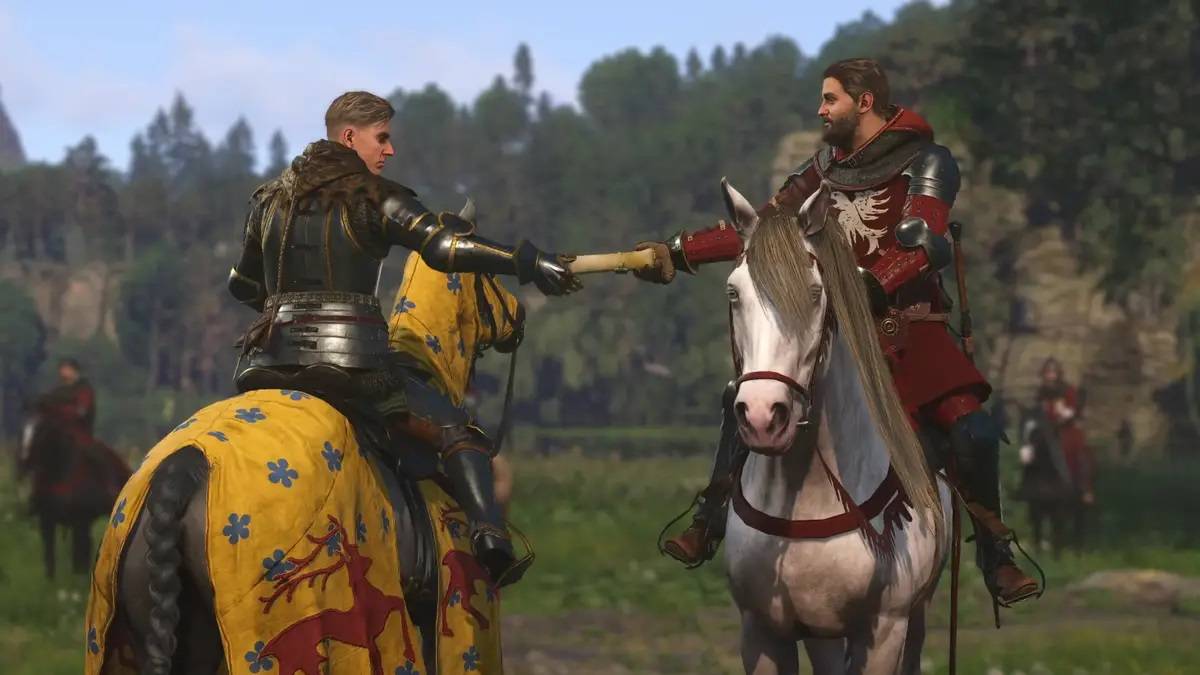
The expansion kicks off in the bustling city of Kuttenberg. Henry is tasked with a high-profile escort mission: delivering Albich of Uniczow, the personal physician to King Wenceslas himself, to the Sedletz Monastery. This isn't a social call. A mysterious, virulent disease has taken hold within the monastery’s walls, and the community is currently under a strict quarantine.
From the moment the heavy gates lock behind you, the tone shifts dramatically. You aren't just a bodyguard; you are an investigator in a world of shadows. Stripped of your weapons at the gate and bound by a strict curfew system, you must navigate a community that is physically and psychologically decaying. The central mystery carries a distinct "Indiana Jones" or The Name of the Rose vibe—an intricate web of corruption, suppressed medical knowledge, and religious paranoia.
Investigation Over Iron: Gameplay Evolution
If you came to Kingdom Come: Deliverance II for the visceral thrill of plate-armored combat, be warned: Mysteria Ecclesiae is not a battle-focused expansion. Instead, it is a deep dive into the game's non-combat systems. This DLC shines when it rewards:
- Scholarship & Alchemy: You will spend hours brewing complex new potions and scouring the library for skill books.
- Stealth & Lockpicking: Navigating the monastery after dark is a tense game of cat-and-mouse against the watchful eyes of the circators.
- Social Dynamics: High-stat "Silver-tongued Henry" builds are incredibly satisfying here, allowing you to bypass difficult interrogations and forge records with ease.
Warhorse Studios has made a deliberate choice to stop holding the player's hand. Mysteria Ecclesiae frequently gives you an objective—like "forge this medical record"—without a single quest marker telling you where to find the ink or who is susceptible to a bribe. It trusts your curiosity and your intelligence, making every breakthrough feel like a personal victory.
A Living, Breathing Community
The Sedletz Monastery is a staggering piece of environmental design. It is not just a collection of assets; it’s a functional 15th-century community. From the massive crypts and underground tunnels to the uncomfortably detailed communal latrines, the scale is immense.
The Faces of the Faith
The NPCs you encounter are far from generic background noise. You’ll meet **Joachim the herbalist**, **Monk Vojtiech** (who has exactly 15 jokes to tell, rewarding the patient listener with a unique achievement), and **Novice Benedict**, who seems physically pained by the secret rumors he’s desperate to share.
The voice acting is a particular highlight. The performance for Albich of Uniczow is calm, serious, and authoritative, setting a perfect tone for the medical investigation. The interactions feel human—you’ll find monks gambling in the cellars or secretly translating forbidden texts like the Decameron. These details make the eventual "dread" of the spreading plague feel much more personal.
New Gear and Technical Refinements
While combat is secondary, the loot is primary. Mysteria Ecclesiae introduces a wealth of period-correct gear for the 15th-century connoisseur:
- New Weaponry: A unique sword and several fresh armor pieces.
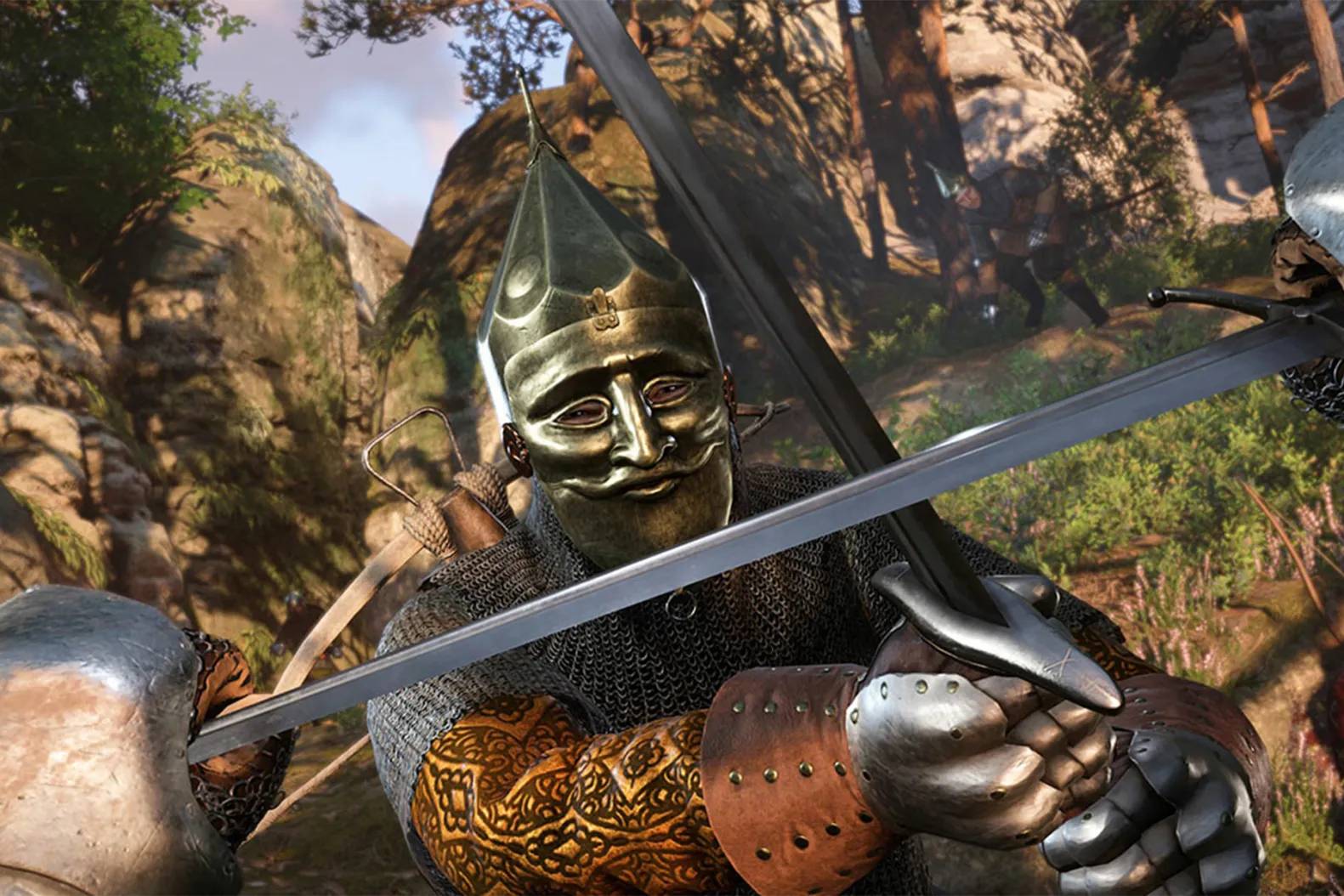
- The Plague Doctor Mask: A historically accurate version of the mask (note: no iconic "beak," which didn't appear until the 17th century).
- Advanced Alchemy: New recipes that are essential for solving the DLC's central medical puzzle.
The release of the DLC coincided with a massive base-game update. Warhorse has finally implemented full support for facial animations across all voiced languages, a feature that significantly enhances the immersion during the DLC’s many dialogue-heavy sequences.
Atmosphere: The Sound of Spiritual Weight
The atmosphere of Mysteria Ecclesiae is thick with an unsettling mix of religious iconography and clinical despair. This is tied together by a hauntingly beautiful score. Variations of the **Saint Barbara theme** weave through the halls, adding a layer of spiritual weight to every discovery. The audio design—the heavy tolling of bells, the chanting of monks, and the coughs of the infected in the infirmary—creates a sense of claustrophobia that is hard to shake.
Technical Performance (PC)
On our test rig (Ryzen 5 7600X, RTX 3070 Ti, 16 GB RAM), the expansion ran smoothly. The monastery's dense geometry and lighting effects are demanding, but the recent optimization patches have done wonders for stability. Frame rates remained consistent, even in the sprawling underground crypts.
| Feature | Details |
|---|---|
| Developer | Warhorse Studios |
| Platforms | PC, PS5, Xbox Series X|S |
| Playtime | 10 - 15 Hours |
| Focus | Stealth, Alchemy, Mystery, Scholarship |
Final Verdict: A Fitting, Yet Tantalizing, Farewell?
Mysteria Ecclesiae is a masterclass in how to do a "location-based" DLC. It takes the divisive monastery formula from the first game and refines it with better pacing, a much larger setting, and significantly more player agency. It rewards those who are willing to slow down, read the documents, and think like a 15th-century detective.
While it is billed as the "final" expansion, the narrative suggests Warhorse isn't quite ready to leave Henry behind. References to Sir Hans Capon's upcoming marriage and the conspicuous absence of Theresa hint that more stories are waiting in the wings. If this is the end of the KCDII season pass, it is a high note that perfectly encapsulates why this series is the gold standard for historical RPGs.
Pros:
- Incredible environmental detail and atmosphere.
- A mature, complex mystery that respects player intelligence.
- Excellent new gear and alchemy recipes.
- Strong voice acting and immersion.
- Pacing might be too slow for combat-focused players.
- Some churches in Kuttenberg remain frustratingly locked.
Is it worth it? If you loved the original monastery quest, this is an absolute must-buy. If you hated it, the increased freedom and detective-focused gameplay might just win you over.