GREEDFALL 2: THE DYING WORLD – A SLOWER PULSE IN A BEAUTIFULLY DECAYING WORLD
Greedfall 2: The Dying World Review – A Nuanced Yet Flawed Colonial RPG
When Spiders released the original Greedfall back in 2019, it carved out a dedicated niche for itself. It offered a unique colonial setting, deep factional politics, and classic action-RPG mechanics that, for a certain demographic of gamers, scratched an itch left behind by classic BioWare titles. Now, following an extended Early Access period that began in September 2024, Greedfall 2: The Dying World has finally launched into its full 1.0 version across PC, PlayStation 5, and Xbox Series X|S in March 2026. The burning question remains: after years of community feedback and mechanical iteration, is Greedfall 2 actually a good game?
As a prequel set three years before the events of the first game, Greedfall 2: The Dying World offers a fresh perspective on the mystical island of Teer Fradee. We get to witness the island before the full, crushing weight of colonial exploitation takes over. While it boasts nuanced factional politics, a generous companion roster, and a daring shift to real-time-with-pause combat, Spiders' latest RPG plays it a bit too safe in certain areas and makes a few missteps that are difficult to ignore. Here is our comprehensive review of Greedfall 2: The Dying World.
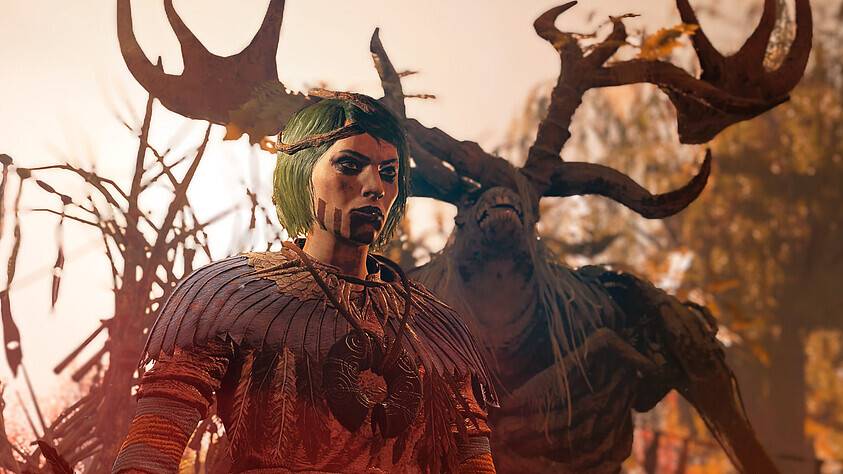
A Native’s Perspective: The Colonial Narrative
In a refreshing narrative twist, Greedfall 2 flips the script of the original game. Instead of playing as a foreign diplomat arriving to conquer and settle, you step into the shoes of a native of Teer Fradee—a remote, untamed island rich in unique flora, fauna, and highly coveted minerals. Your homeland's discovery by the Bridge Alliance is inevitable, and the consequences are entirely predictable: colonists arrive in droves, bringing miners, trappers, and rampant exploitation in their wake.
The tension between the native population and the newly arrived colonists arises naturally and forms the emotional core of the narrative. The island's original inhabitants desperately try to protect lands they hold sacred, but they are outgunned and outnumbered by the technologically superior invaders. The Alliance strips the land of its gold, hunts native animals to near-extinction, and pollutes the rivers, leaving the indigenous people fighting for scraps. Survival itself becomes a daunting daily struggle.
What makes the storytelling work so well is its impressive nuance. Greedfall 2 avoids painting the Alliance as a cartoonishly evil monolith. While their systemic impact is undeniably devastating, individual colonists will often offer you genuine help, trying to do the right thing amidst the overarching chaos. It is a refreshing take on historical fantasy that prevents the narrative from feeling overly flat or preachy.
However, the darker reality is inescapable. Native people are forcibly taken from Teer Fradee and shipped across the ocean to the disease-stricken continent of Gacane. Political factions scheme to classify the natives as vermin, gathering support for a full island purge. Your character is caught directly in this web, eventually being kidnapped and dragged to the continent. Driven by a singular goal—to gather enough resources to return home—you embark on a perilous journey across a foreign land. The premise is strong, establishing an immediate and highly personal stakes-driven adventure.
Storytelling: Layered, But Lacking Polish
While the thematic strength of Greedfall 2 lies in its intricate political layers and factional disputes, the actual delivery of the story can feel a bit rough around the edges. This is not the kind of high-budget, gritty blockbuster presentation that will keep you on the edge of your seat. The cinematic presentation feels decidedly last-gen, lacking the dynamic framing, high-fidelity facial animations, and visual polish expected from modern RPGs.
That being said, the hook is certainly there, and the overarching mystery provides just enough fuel to keep you invested through the massive 40+ hour campaign. The lore is dense, and the game throws a staggering amount of characters, world details, and complex relationship dynamics at you within the first few hours alone. You will meet upwards of 20 significant characters early on, but the writing manages this heavy exposition surprisingly well, keeping the narrative easy to follow even when the political scheming gets complicated.
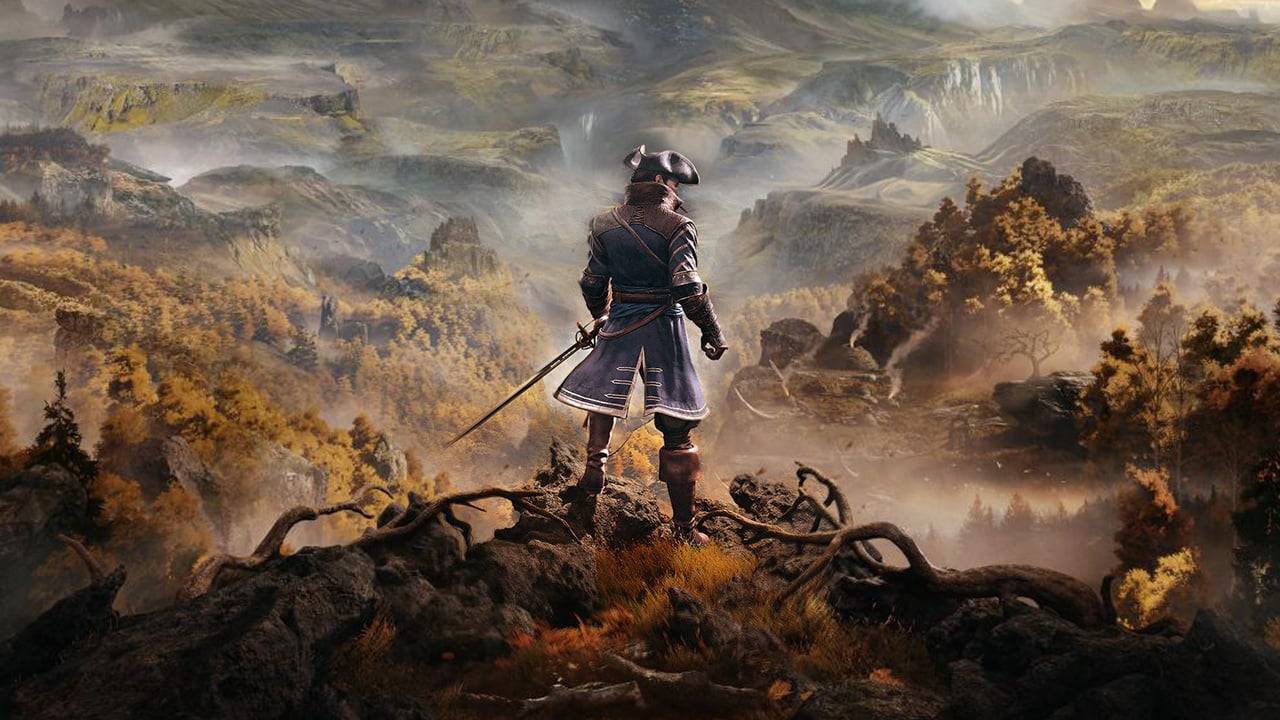
Combat: A Divisive Shift to Real-Time-with-Pause
Perhaps the most controversial and widely debated aspect of Greedfall 2: The Dying World is its complete overhaul of the combat system. The original Greedfall featured a fluid, action-oriented combat loop that felt akin to modern action RPGs. Greedfall 2 boldly ditches this in favor of a real-time-with-pause (RTwP) system, heavily inspired by classic RPGs like Dragon Age: Origins.
Players now manage a full party of four. You have the option to control only your main character—leaving your party members to rely on automated AI to cast spells and heal—or you can take full tactical control by pausing the action and manually dictating every single move and ability targeting. On paper, it is an excellent system for party-based RPGs, offering deep strategic control. In execution, however, the combat rarely clicks perfectly.
The primary issue lies in enemy balancing and encounter design. You might find a satisfying rhythm, only to have that enjoyment derailed by artificially difficult, "spongy" enemies that take an excruciatingly long time to defeat for no good reason. The pacing of the combat is notably slow. If you prefer to build a traditional MMO-style party—comprising a dedicated tank, a healer, and dual DPS classes—you can comfortably play mostly in real-time without pausing too often. While the combat system is certainly serviceable and eventually grows on you if you stick with it, it fails to introduce anything revolutionary to the genre and may alienate fans who preferred the faster pace of the original game.
The game also introduces stealth mechanics reminiscent of modern CRPGs like Baldur's Gate 3, but they feel incredibly undercooked. Sneaking around and knocking out enemies is ultimately unrewarding. It is plagued by inconsistencies where unconscious guards will inexplicably wake up and trigger full combat encounters the moment you are spotted elsewhere, rendering the stealth approach largely frustrating and pointless.
Companions and Factional Reputation
A massive portion of your time in Greedfall 2 will be spent deep in conversation. The game boasts a highly generous companion roster, offering up to eight potential party members within the first eight hours of gameplay. This is a staggering amount for an action RPG, and Spiders does an excellent job of seamlessly integrating them into the flow of the story.
Each companion brings their own dedicated side quests, such as uncovering the truth behind a family murder or investigating military corruption. While these personal arcs are engaging and rewarding to complete, the sheer volume of companions means that very few of them receive the deep, highly focused character development seen in titles with smaller rosters, like Obsidian's Avowed. They are all "good enough," but none truly stand out as unforgettable gaming icons.
There is, however, one glaring mechanical flaw regarding companions that borders on infuriating: once you initiate a companion's personal quest, the game permanently locks that character into your active party until the questline is fully completed. If you stumble into a difficult boss fight that requires a completely different tactical setup (e.g., you need a healer, but your locked companion is a rogue), you are entirely out of luck. This restrictive design choice actively discourages spontaneous quest exploration.
A World Lacking True Reactivity
Greedfall 2 features a robust factional reputation system. Your standing with various groups fluctuates based on your dialogue choices and quest resolutions. A low reputation combined with a poor diplomacy skill makes traditional, peaceful quest resolutions nearly impossible. Fortunately, the game shines in its alternative problem-solving routes, allowing you to utilize stealth, thievery, or hidden backdoors to bypass stubborn NPCs and achieve your objectives.
However, outside of these scripted quest outcomes, the open world feels disappointingly static. A true hallmark of a great RPG is immersive environmental reactivity—getting what you deserve when you play as an outright villain. In Greedfall 2, you can steal in broad daylight or engage in bloody street brawls, and the surrounding townsfolk will barely bat an eye.
In one egregious example during my playthrough, I systematically tracked down a hostile witness, murdered over a dozen enemy guards in his workplace, and intimidated him into fleeing the continent to protect a companion. Yet, during the actual courtroom trial later on, the opposing faction made absolutely no mention of the massacre or the highly suspicious disappearance of their key witness. The game simply does not connect your violent open-world actions to its narrative consequences, breaking the immersion significantly.
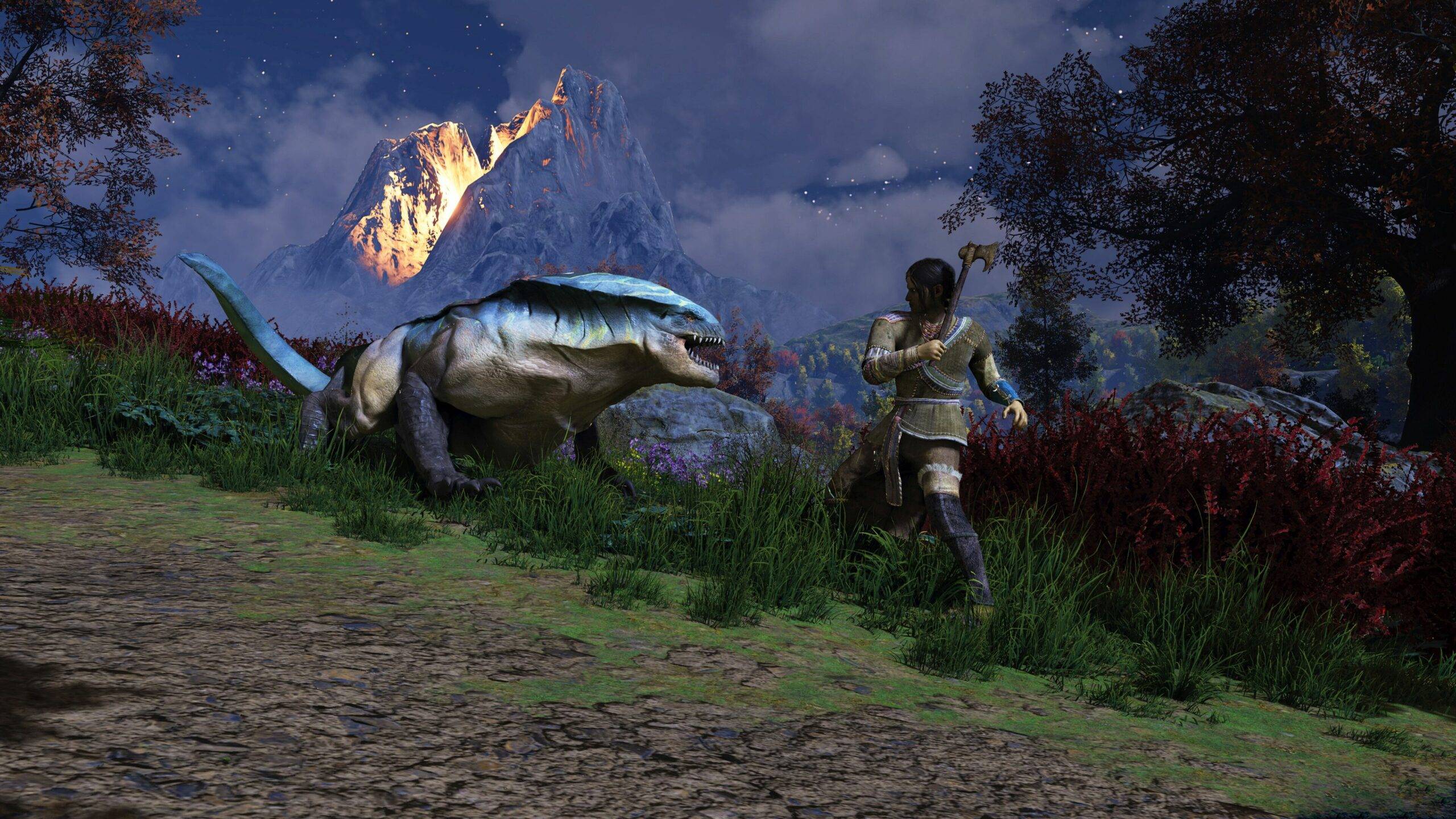
Visuals, Graphics, and Performance Optimization
Visually, Greedfall 2: The Dying World looks and feels like a late-era PlayStation 4 game. The character models suffer from a noticeable lack of detail, stiff running animations, and rigid facial expressions during dialogue. Conversely, the environmental art can occasionally be stunning, particularly in the untamed wilds of Teer Fradee. Here, lush flora, volumetric lighting, and beautiful god rays shining through the canopy create highly atmospheric vistas.
While cutting-edge graphics are rarely the sole reason a player picks up a deep, narrative-driven RPG, the technical performance is much harder to forgive. During our testing on a high-end PC rig (Ryzen 7800X3D and an RTX 4080), the game struggled with optimization. Even with DLSS enabled on the "Balanced" setting, frame rates fluctuated wildly between 60 and 90 FPS, accompanied by severe stuttering in the densely populated hub cities of Gacane.
Furthermore, bugs were a frustratingly standard occurrence. We experienced missing audio cues where sound effects completely vanished leaving only voiceovers, interior assets like chairs and tables flickering out of existence, and persistent combat-lock bugs that prevented fast travel even after an area was completely cleared of hostiles. While the 1.0 release is far better than the initial 2024 Early Access build, the launch state still requires a few more significant optimization patches.
The Final Verdict: Is Greedfall 2 Worth Playing?
Greedfall 2: The Dying World is a solid, highly ambitious RPG that builds upon the foundation of its predecessor without ever truly pushing the boundaries of the genre. The real-time-with-pause combat system is a bold, divisive choice that demands patience, while the sprawling political narrative and massive companion roster provide dozens of hours of engaging content.
Spiders had the framework here to create something truly transcendent, but the game ultimately plays it a bit too safe. Hindered by a static open world lacking deep reactivity, highly restrictive companion quest mechanics, and lackluster technical optimization, it falls just short of greatness.
Nevertheless, if you can overlook the quintessential "Eurojank" elements and the dated cinematic presentation, the core of the game is undeniably charming. For dedicated fans of classic, dialogue-heavy role-playing games who enjoyed the likes of Dragon Age: Origins, Greedfall 2 remains a rewarding journey back to the shores of Teer Fradee that is absolutely worth undertaking.
Final Score: 7/10