
Fortnite’s Next Evolution: Leaked Crossover Sidekicks Poised to Redefine Battle Royale Dynamics









Popular Now
 EA SPORT FC 25
 Genshin Impact
 Brawl Stars
 Toca Boca World
PUBG Mobile
Toca Boca World
PUBG Mobile
 NBA 2K24
 Roblox
 Counter-Strike 2
 Grand Theft Auto V
 Minecraft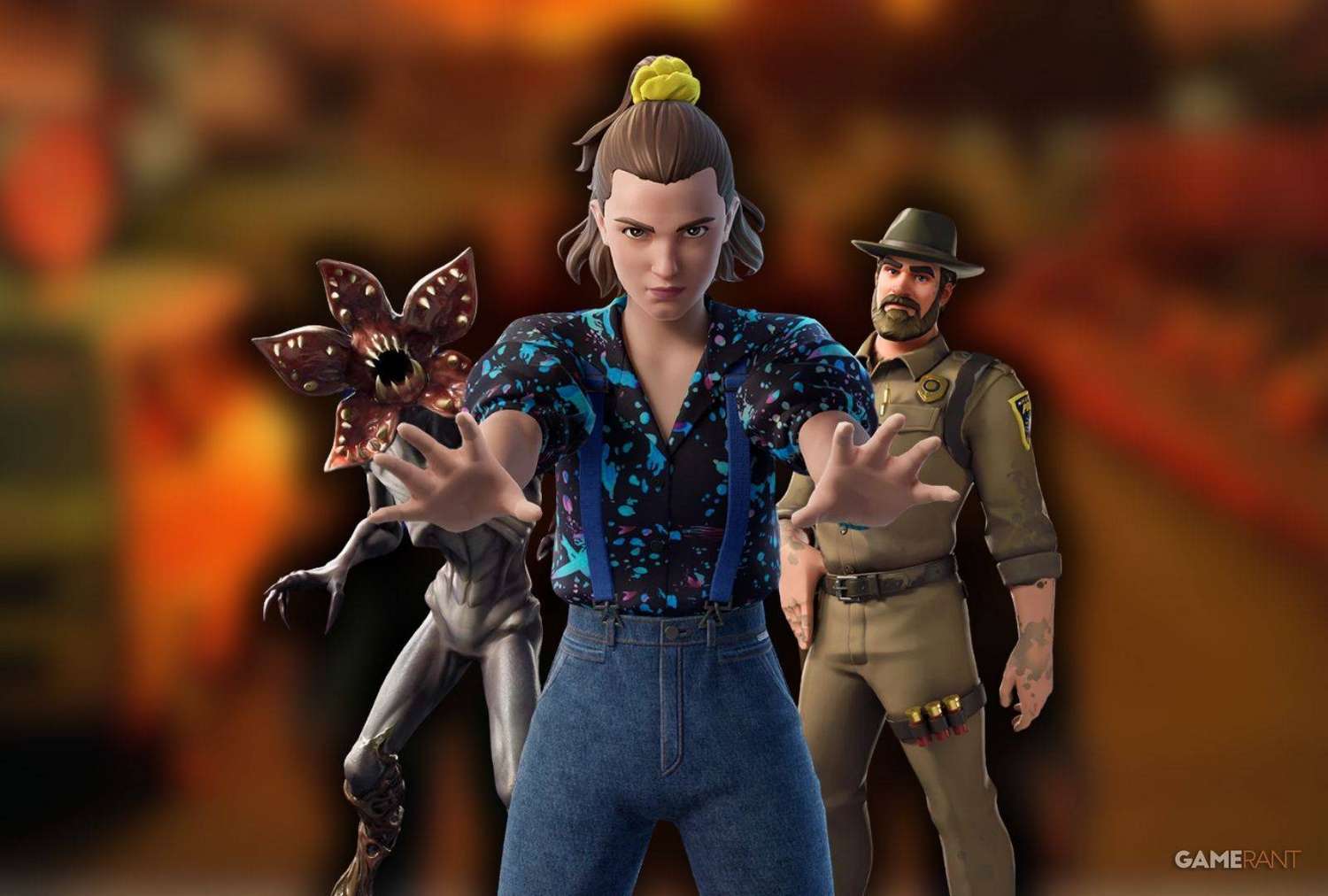
Fortnite’s Next Frontier: Leaked Crossover Sidekicks Poised to Redefine Battle Royale’s Emotional and Financial Dynamics
The Fortnite universe is on the cusp of arguably its most significant evolutionary step since the introduction of Creative Mode or Zero Build. Recent, extensive leaks regarding the new “Sidekicks” feature, coupled with an aggressive slate of incoming crossover collaborations, indicate a fundamental shift in the game’s core philosophy. The days of Fortnite being solely defined by shooting and building are yielding to an era where player identity, emotional companionship, and intellectual property (IP) synergy take center stage. The introduction of these customizable, reactive companions—many of whom are rumored to hail from Paramount’s vast catalog, including properties like SpongeBob SquarePants and South Park—is not just a cosmetic addition; it is a calculated move to deepen player immersion and unlock new veins of monetization within the dominant Battle Royale ecosystem.
While the feature, which allows players to be accompanied by small, non-combat pets, has already begun rolling out with characters like Peels (the banana-dog) and figures from The Simpsons, the leaked details surrounding the Paramount Sidekicks and Epic Games’ controversial pricing model are raising major questions. The true impact of Sidekicks will not be measured in damage dealt or structures built, but in the shift towards emotional engagement, a crucial component for maximizing live-service longevity and subscriber retention in the highly competitive gaming industry.
Keywords Focus: Fortnite Sidekicks leak, Battle Royale dynamics shift, crossover monetization strategy, Paramount Sidekicks collaboration, emotional engagement gaming, Fortnite customization controversy, live-service longevity, Fortnite Chapter 7 mechanics.
The Mechanics of Companionship: Sidekicks Explained
Sidekicks are the evolution of the older Pets Back Bling cosmetic, but with significantly enhanced complexity and integration. These companions are fundamentally cosmetic-only, offering no direct competitive advantage, which Epic Games maintains as a core principle for maintaining competitive integrity in Battle Royale.
1. Emotional Reactivity and Player Immersion
The defining feature of Sidekicks is their emotional reactivity. They are not static objects; they interact dynamically with the game world and the player’s status:
- Emote Sync: Sidekicks perform unique dances or interactions when the player uses an emote, adding a layer of visual interest to the core social mechanics of the game.
- Environmental Awareness: They cower when the Storm closes in, look sad when the player is knocked down, and react to enemy builds, adding a constant sense of life and personality to the match.
- Visibility Rules: Critically, Sidekicks are invisible to enemy players. They can only be seen by the player and their immediate squad members. This ensures they do not betray a player’s position, preserving the core stealth and survival elements of the Battle Royale format.
2. The Controversial Customization and Pricing Model
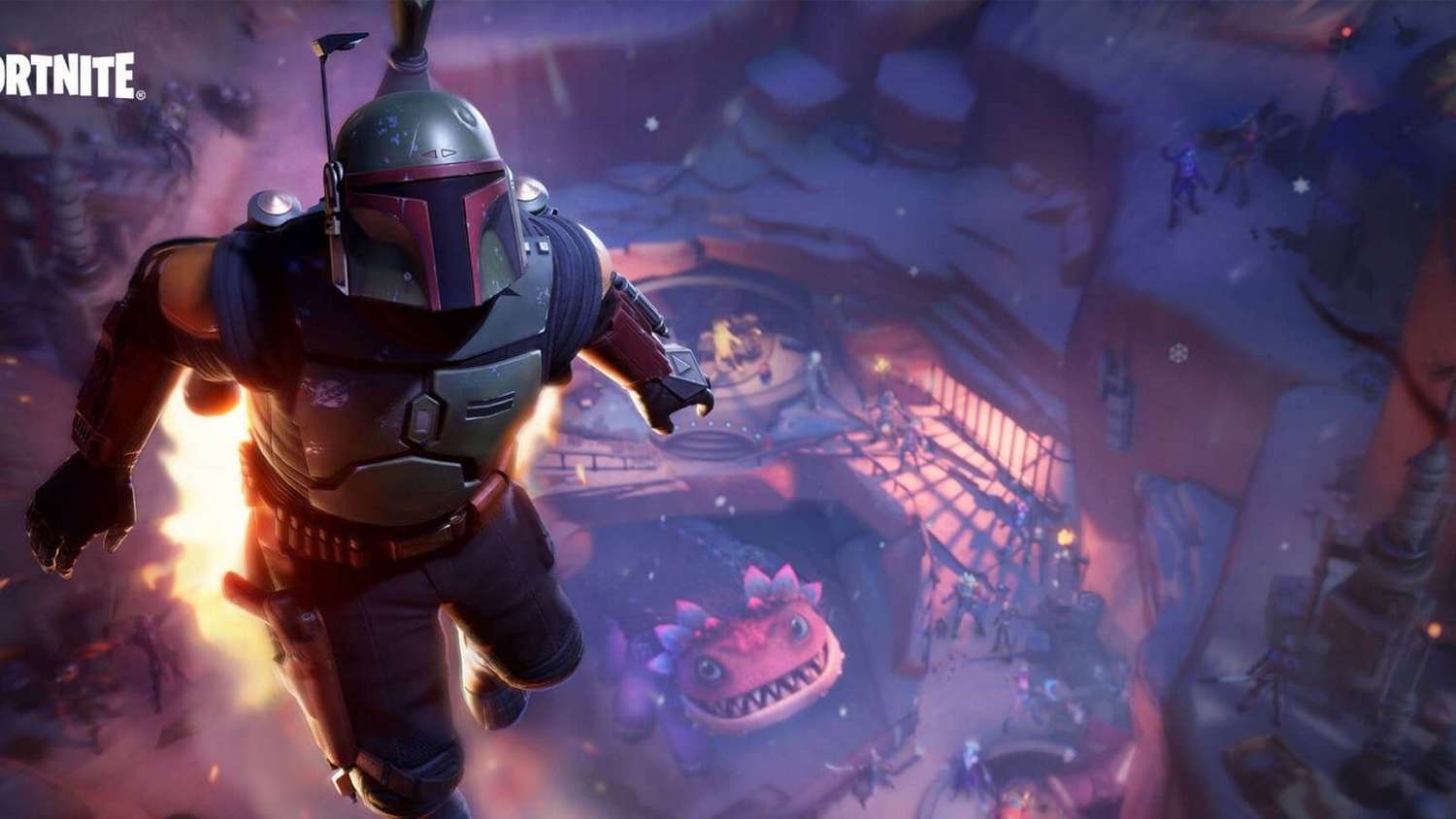
The rollout of Sidekicks has been marred by a massive community backlash centered on their monetization strategy. Priced between 1,200 and 1,500 V-Bucks (often more expensive than a full skin), the core issue lies in the rigidity of the customization system.
- The Permanent Lock: When first acquired, players can customize a Sidekick’s permanent physical traits (e.g., fur color, ear shape). Once these traits are finalized and “locked in,” they cannot be changed.
- The Re-Purchase Requirement: If a player wishes to change the permanent look of their Sidekick, they must re-purchase the entire Sidekick from the Item Shop. This anti-consumer model has been widely criticized as an attempt at a “double dip” on player spending, forcing a constant cycle of re-investment for the same base asset.
- Impact on Identity: While Sidekicks offer new depth to player identity, the permanent lock restricts the emotional connection. The feature is trying to sell players a companion, but the monetization mechanics treat it as a disposable, serialized product, risking player alienation over a feature designed for player retention and emotional bonding (Source: Survey data suggests Epic is aware of the backlash and may be reconsidering the rigid customization).
Crossover Synergy: The Paramount Pipeline and IP Strategy
The true future of the Sidekicks feature lies in its potential as a vehicle for Intellectual Property (IP) cross-pollination, particularly with the rumored massive collaboration with Paramount Global.
1. Leveraging Animated Gold
The leak suggests the introduction of Sidekicks based on popular Paramount-owned animated properties, including SpongeBob SquarePants (e.g., Gary the Snail, Plankton) and South Park (e.g., Towelie, Mr. Hankey). This is a strategic response to the difficulty of integrating certain characters as full, weapon-wielding skins.
- Overcoming IP Restrictions: Many IP holders are hesitant to allow their non-violent or child-oriented characters to wield realistic firearms or be killed in a violent Battle Royale setting. Sidekicks provide a safe, non-lethal integration point for characters like Grogu (Baby Yoda) from Star Wars (Disney IP) or Gary the Snail, bypassing these restrictions entirely while still monetizing the character’s appeal.
- The Cultural Collision: The inclusion of characters from South Park (a highly mature, satirical IP) marks a bold new frontier for Fortnite’s constantly shifting content boundaries. The ability to have an R-rated IP’s non-player characters follow a teen-rated skin creates a unique, often hilarious, cultural collision that generates immense viral marketing and social media buzz.
2. Redefining “Cosmetic” in the Battle Royale Meta
While Epic insists Sidekicks are purely cosmetic, their subtle presence and reactivity may subtly redefine the Battle Royale experience, even if they don’t impact direct combat statistics.
- Emotional Support and Loneliness: Fortnite, especially in Solo mode, can be an isolating experience. The Sidekick fills this emotional void, giving players a sense of persistent, non-judgmental company. This focus on emotional engagement gaming is a sophisticated way to keep players logged in and feeling connected to the game.
- The New Status Symbol: Given the high price and the expected rarity of certain crossover Sidekicks (like those from the highly anticipated Kill Bill or Back to the Future collabs for Chapter 7), the Sidekick becomes the ultimate social status symbol in the lobby. It’s a visible testament to a player’s V-Bucks expenditure and collection status, fostering competitive collecting outside of the combat loop.
The Future Evolution: Beyond Cosmetics
The current iteration of Sidekicks is a foundational step. Their potential utility, however, goes far beyond simple reactions. Epic Games has a history of starting with simple mechanics and evolving them into integral gameplay features (e.g., the transition from simple weapon tiers to complex Mythic and Exotic weaponry).
- Sidekick Missions and Quests: The current Sidekick Points (SP) system, which rewards players for using their companions, could easily evolve into Sidekick-specific missions. For example, a Grogu Sidekick mission might involve protecting him from a specific NPC enemy type, rewarding the player with unique Star Wars-themed cosmetics. This creates a new content engagement funnel tied directly to monetization.
- Utility Integration (The Community Demand): Despite Epic’s current stance, the community is loudly demanding minor utility (e.g., Sidekicks collecting dropped ammo/gold, or offering minor health boosts outside of combat). The ultimate evolution of the feature might involve an opt-in, non-competitive “Utility Mode” for non-Battle Royale experiences like LEGO Fortnite or Creative Mode, giving the Sidekicks true function and justifying the premium price tag.
Conclusion: The Emotional Price of the Battle Royale
Fortnite’s Sidekicks represent the game’s most ambitious attempt yet to move beyond core combat mechanics and into the complex, lucrative world of emotional gaming. By offering highly desirable crossover characters—from the whimsical to the satirical—as customizable companions, Epic Games is strategically targeting the player’s wallet through their heart and sense of identity. While the current monetization model is facing intense scrutiny for its anti-consumer customization lock, the underlying strategy is clear: Sidekicks are designed to increase the time players spend in the game, deepen their personal investment, and maximize the revenue generated from external IP. If Epic can successfully address the community’s pricing concerns, these crossover sidekicks will not just redefine the visual dynamics of the Battle Royale, but fundamentally cement Fortnite as the preeminent platform for IP cross-pollination and live-service longevity in the global gaming market.