
Demon Slayer: Unpacking Koyoharu Gotouge’s True Vision – Why Tanjiro Kamado Never Ascended to Hashira Rank










Popular Now
Poppy Playtime
 Brawl Stars
 Counter-Strike 2
 Fall Guys
 CarX Street
 Grand Theft Auto V
 Minecraft
Geometry Dash
Minecraft
Geometry Dash
 League of Legends
 Toca Boca World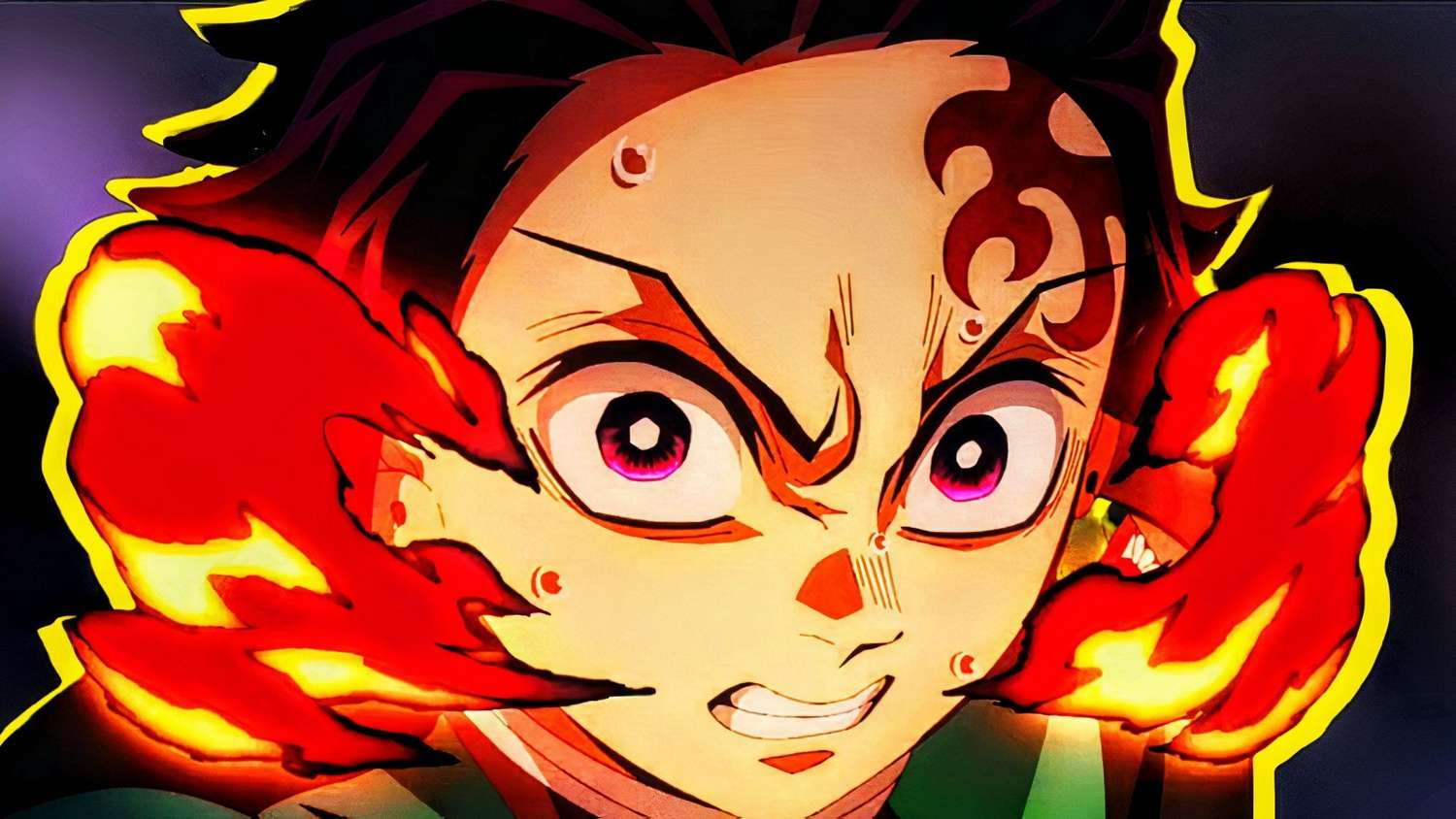
The Enduring Mystery: Tanjiro Kamado’s Hashira Paradox Explained
The world of Demon Slayer: Kimetsu no Yaiba, meticulously crafted by mangaka Koyoharu Gotouge, is rich with intricate lore, powerful characters, and a compelling narrative that has captivated millions globally. Among the many elements that fuel fervent discussion within the massive fandom, one question persistently resurfaces: Why did the protagonist, Tanjiro Kamado, despite his unparalleled growth and pivotal role in defeating Muzan Kibutsuji, never officially achieve the esteemed rank of a Hashira (Pillar) within the Demon Slayer Corps? This isn’t merely a plot oversight but a deliberate narrative choice by Gotouge, rooted deeply in the story’s themes, character development, and the very structure of the demon-slaying organization.
Understanding Gotouge’s rationale requires a deep dive into the criteria for becoming a Hashira, Tanjiro’s unique journey, and the overarching message of the series. While many fans speculated about a future promotion, the final arcs of the manga provided implicit answers, now often discussed as the author’s true intent behind Tanjiro’s impactful, yet non-traditional, legacy. This article will unravel the complexities behind this decision, offering insights into the author’s genius in crafting a protagonist whose impact transcended mere rank.
The Rigorous Path to Pillar Status: Expectations vs. Reality
To truly grasp why Tanjiro’s lack of Hashira status is significant, one must first comprehend the stringent requirements for ascending to such a prestigious position. The Demon Slayer Corps maintains an exceptionally high bar for its elite swordsmen. Traditionally, an individual could achieve the rank of Hashira in one of two ways:
- Defeating a member of the Twelve Kizuki: This is arguably the most direct path, demonstrating immense combat prowess and strategic acumen against the most powerful demons loyal to Muzan.
- Slaying fifty demons as a Kinoe: Kinoe is the highest rank below Hashira. This path requires consistent excellence and dedication over an extended period, proving one’s reliability and lethal effectiveness in numerous encounters.
Each Hashira is a master of a specific breathing technique, possessing extraordinary physical abilities, razor-sharp instincts, and an unwavering resolve to protect humanity. Their very presence instilled hope and fear in equal measure – hope for the innocent, terror for the demonic. Their battles were often solo missions or led small squads, showcasing their unparalleled individual strength and leadership qualities. Figures like Giyu Tomioka, Kyojuro Rengoku, and Shinobu Kocho epitomized these qualities, each having earned their position through harrowing trials and countless victories.
Tanjiro, by the series’ conclusion, had arguably surpassed these conventional metrics in spirit and achievement. He played an instrumental role in defeating multiple Upper Rank demons, including Akaza, Doma, and Kokushibo (albeit with significant help from other Hashira), and ultimately contributed immensely to the demise of Muzan himself. Yet, the official title remained elusive. This divergence between achievement and recognition is where Gotouge’s nuanced storytelling truly shines, pushing against conventional shonen tropes.
Tanjiro’s Unconventional Ascent: Beyond Standard Promotion Metrics
Tanjiro’s journey was anything but conventional, and this uniqueness intrinsically ties into why his trajectory diverged from the typical Hashira path. From the outset, Tanjiro’s primary motivation was not personal glory or rank ascension, but the singular, deeply personal goal of turning his sister, Nezuko, back into a human and avenging his family. This foundational drive shaped every decision and battle he faced.
Furthermore, Tanjiro’s fighting style and lineage were extraordinary. He was not a master of a standard breathing form like Water Breathing, despite initial training. Instead, he rediscovered and eventually wielded the Sun Breathing technique, the progenitor of all other breathing styles and a power long thought lost. This ancient, immensely potent technique set him apart from every other demon slayer of his era, connecting him directly to Yoriichi Tsugikuni, the legendary original Sun Breather. His development was rapid, almost miraculous, far exceeding the pace of even the most gifted individuals.
Consider also the timeline. The entire narrative of Demon Slayer, from Tanjiro’s family tragedy to the final defeat of Muzan, unfolds over a relatively short period – roughly two to three years. While Tanjiro’s growth was exponential, the established process for becoming a Hashira typically involved years of dedicated service and gradual rank progression. By the time Tanjiro reached his peak, the very structure of the Demon Slayer Corps was in its twilight. The final, all-out war against Muzan was an existential conflict that pushed every slayer to their absolute limit, making traditional promotions somewhat secondary to the immediate goal of survival and victory.
Koyoharu Gotouge’s Narrative Intent: A Deeper Purpose
The most compelling reason for Tanjiro not becoming a Hashira lies in Koyoharu Gotouge’s masterful storytelling and character development philosophy. Gotouge subtly implies that Tanjiro’s role was far grander and more critical than simply holding a specific rank within the Corps. His purpose was to be the catalyst for the end of the demon era, the inheritor of the Sun Breathing legacy, and the one destined to bring peace to a tormented world.
If Tanjiro had been designated a Hashira, it might have diluted his unique identity and the profound symbolism of his journey. His strength wasn’t just in his swordsmanship, but in his unwavering compassion, his ability to empathize even with demons, and his innate capacity to inspire those around him. These qualities, while essential for a leader, weren’t necessarily tied to the hierarchical structure of the Corps. His true impact came from his spirit, not his title.
Moreover, the Hashira system itself, while effective, represented a perpetual struggle. By having Tanjiro transcend this, Gotouge emphasized the narrative’s ultimate goal: not to perpetuate the fight, but to end it. Tanjiro’s final battle against Muzan, and the sacrifices made by all, led to the disbandment of the Demon Slayer Corps, rendering the Hashira title obsolete shortly after the war concluded. Promoting him to a rank that was about to disappear would have felt hollow and counterintuitive to the story’s conclusive message of a world finally free from demons.
Gotouge chose to focus on the human element, the bonds forged, and the ultimate victory against an ancient evil, rather than on a protagonist’s acquisition of a specific military rank. This decision elevates Tanjiro’s character arc, portraying him as a legendary figure whose contributions far exceeded the formal structures he operated within.
The Sun Breather’s Legacy: Why Rank Was Secondary to Survival
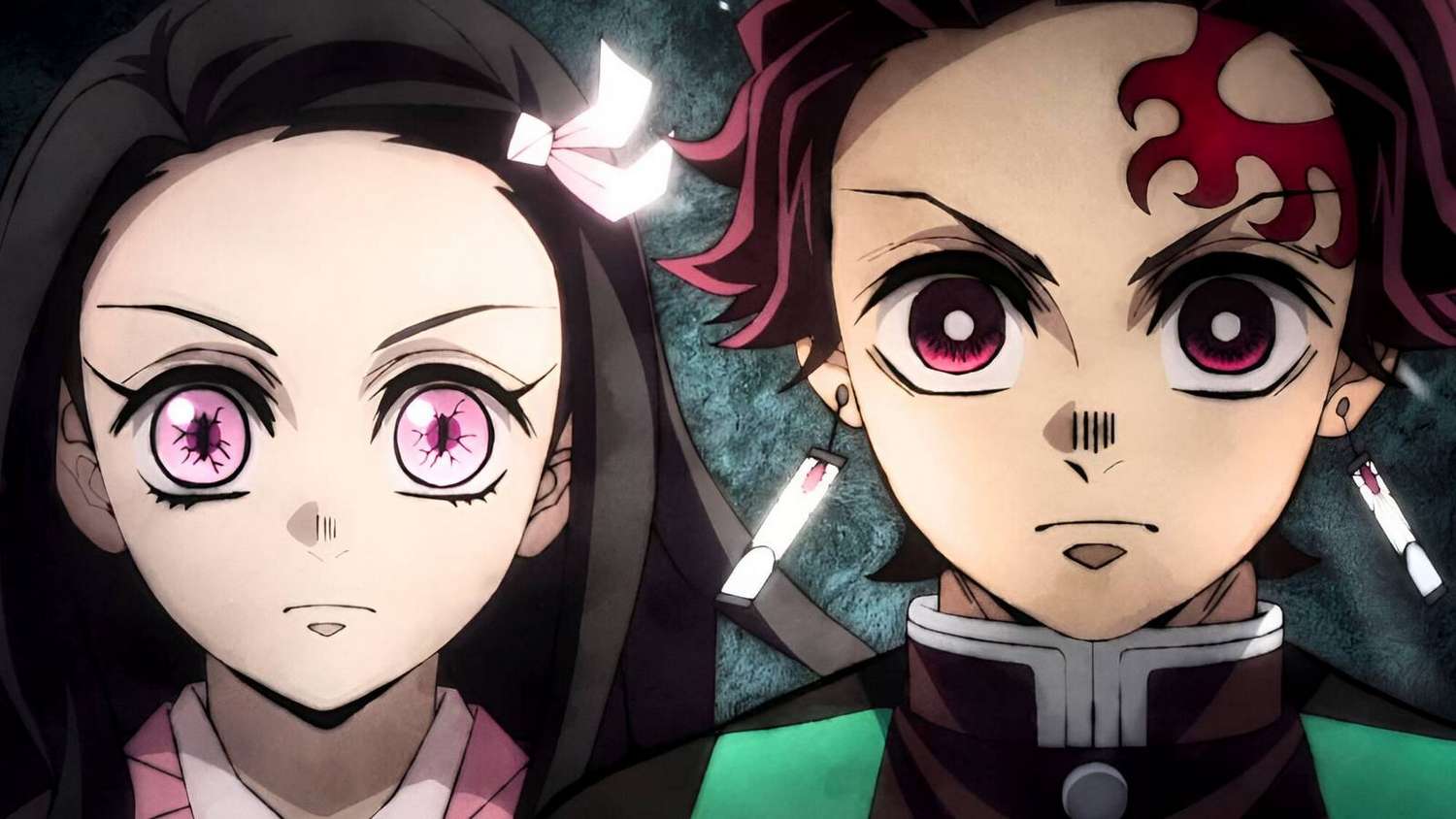
The significance of Tanjiro inheriting and mastering Sun Breathing cannot be overstated. This technique was the ultimate counter to Muzan, and Tanjiro’s unique heritage and potential were recognized by various characters, including the veteran Hashira. His development in Sun Breathing, particularly the Hinokami Kagura, was crucial for the final confrontation. It required immense physical and mental fortitude, pushing him to limits even beyond what many Hashira regularly endured.
During the final battle, Tanjiro, alongside other Hashira and demon slayers, was marked with a Demon Slayer Mark, granting him immense power but also carrying a severe drawback. The physical toll of the battles, especially his near-death encounters and subsequent transformations, left him severely injured. His body was pushed to its absolute breaking point, losing an eye and enduring permanent damage. The very act of surviving and contributing to Muzan’s defeat was a testament to his extraordinary resilience, making the formal recognition of a Hashira title almost irrelevant in comparison to the monumental task he accomplished.
His post-war physical state, coupled with the immediate disbandment of the Corps, effectively closed any window for a formal promotion. The focus shifted from fighting demons to healing a broken world and moving towards an era of peace. Tanjiro’s heroism was self-evident, needing no official decree to validate it. He was a hero not because of a title, but because of his actions and sacrifices.
The Aftermath: A World Without Demons and a Disbanded Corps
Perhaps the most practical and definitive reason for Tanjiro not becoming a Hashira is the simple fact that the Demon Slayer Corps ceased to exist after Muzan Kibutsuji’s defeat. With the primary threat eradicated, the organization that had spanned centuries disbanded. Its mission was complete. Therefore, promoting anyone to Hashira status in the immediate aftermath would have been a meaningless gesture. The concept of Hashira was tied directly to the existence of demons and the need to combat them. Once demons were gone, so too was the need for the Pillars.
Gotouge’s decision to conclude the series with the disbandment of the Corps reinforces the theme of ultimate victory and the restoration of normalcy. Tanjiro’s path was to end the fight, not to perpetuate a system of combatants. His post-war life, focused on recovery and a return to a peaceful existence, perfectly aligns with this narrative conclusion.
Conclusion: Tanjiro’s True Strength Defined Beyond Rank
In the masterful narrative of Demon Slayer, Koyoharu Gotouge deliberately steered Tanjiro Kamado away from the conventional path of becoming a Hashira. This choice was not an oversight but a profound statement on heroism, purpose, and the ultimate goals of the story. Tanjiro’s journey was unique: driven by family, empowered by the ancient Sun Breathing, and culminating in the eradication of a millennia-old evil. His impact transcended the hierarchical structure of the Demon Slayer Corps.
Gotouge’s vision emphasizes that true strength and legendary status are not always conferred by titles but are forged through indomitable spirit, unwavering compassion, and the monumental deeds that change the course of history. Tanjiro Kamado’s legacy is that of the boy who saved the world from demons, a hero whose significance far outweighed any rank he could have held, forever etching his name into the annals of anime and manga history not as a Hashira, but as the one who brought the night to an end.