CRIMSON DESERT: THE SLOW BURN THAT BECOMES AN UNSTOPPABLE ADDICTION
Crimson Desert Review: A Massive Open-World RPG That Rewards the Slow Burn
In the modern gaming landscape, managing hype is a survival skill. When a developer explicitly invites comparisons to generation-defining titans like Elden Ring and The Witcher 3: Wild Hunt, every flaw is magnified, and every misstep is scrutinized. Pearl Abyss’s highly anticipated action RPG, Crimson Desert, launched in March 2026 bearing the weight of these astronomical expectations.
Did it stick the landing? Initially, no. It stumbled. But if you can push through a highly confusing narrative opening and some early technical rough patches, Crimson Desert ultimately blossoms into one of the most absorbing, content-rich, and mechanically diverse open worlds in recent memory. Here is our deep dive into the bloody, beautiful world of Pywel.
Key Details at a Glance
- Genre: Massive Open-World Action RPG
- Developer/Publisher: Pearl Abyss
- Release Date: March 19, 2026
- Platforms: PC, PlayStation 5, Xbox Series X|S
- Playtime: 60–100 hours (Story), 100–180 hours (Story + Side Content), 400+ hours (Completionist)
- Price: $69.99
The Story: A 20-Hour Slow Burn
In massive RPGs, the narrative is the anchor that keeps you invested while you learn the gameplay systems. The Witcher 3 mastered this. Crimson Desert, unfortunately, struggles heavily out of the gate. The first dozen hours are undeniably a confusing, slow burn that will test your patience.
The game kicks off with Kliff, the primary protagonist, arriving at a camp belonging to his people, the Greymanes. Almost immediately, the camp is besieged by their rival faction, the Black Bears. In a brutally graphic sequence, Kliff is slaughtered—stabbed repeatedly, his throat slit—and tossed into a river.
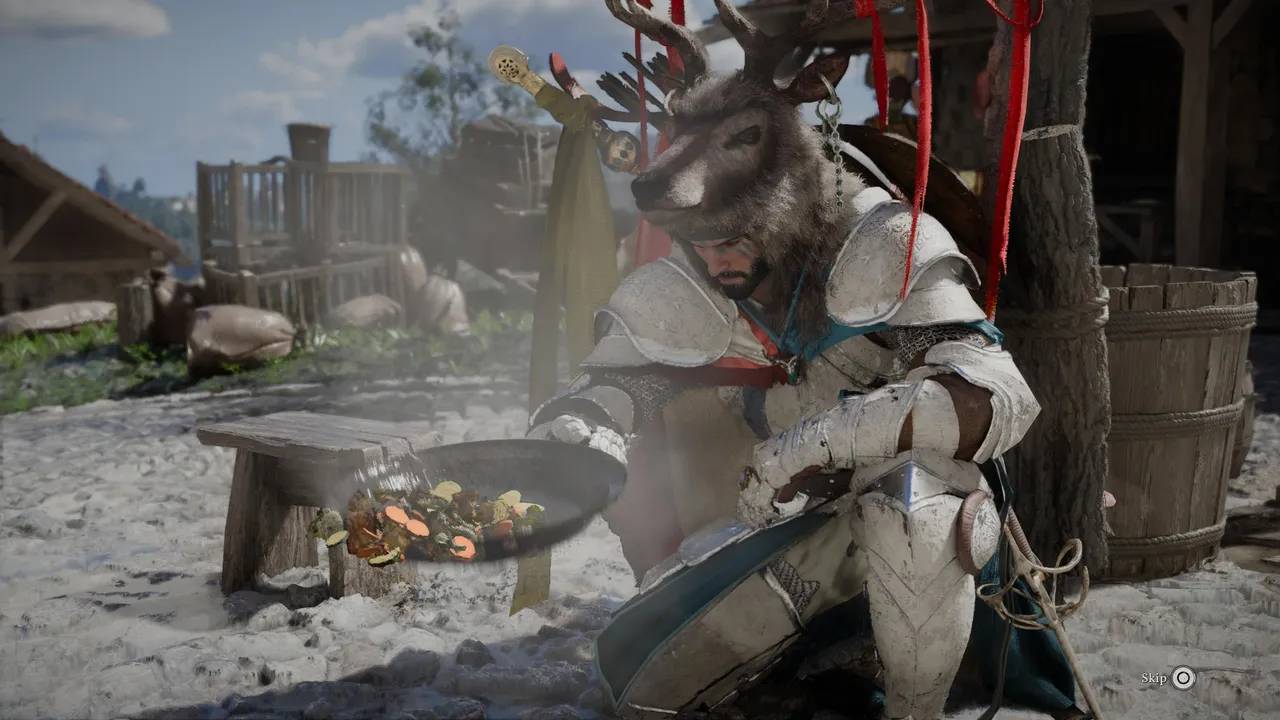
Rather than dying, Kliff awakens in a surreal, futuristic dimension. After a brief, disjointed tutorial, he is thrust back into the world of the living. How did he survive? The game refuses to tell you. Instead, you are rescued by a stranger, taken to a tavern to arm-wrestle, asked to give coins to beggars, and sent to rescue an imprisoned woman. It feels like a scattershot collection of classic RPG tropes designed to test if you are "worthy," but it lacks narrative cohesion.
However, if you can survive the first 20 hours, the story finally clicks. The overarching plot reveals itself as a grand tale of political intrigue, faction warfare, and revenge as Kliff attempts to restore the Greymanes to their former glory. The narrative truly elevates when it leans into its fantasy elements, specifically the intertwining of the physical world of Pywel and "The Abyss"—a mysterious, awe-inspiring realm situated above the clouds. The payoff is incredible, but the barrier to entry is undeniably steep.
Combat: Fast, Chaotic, and Surprisingly Superpowered
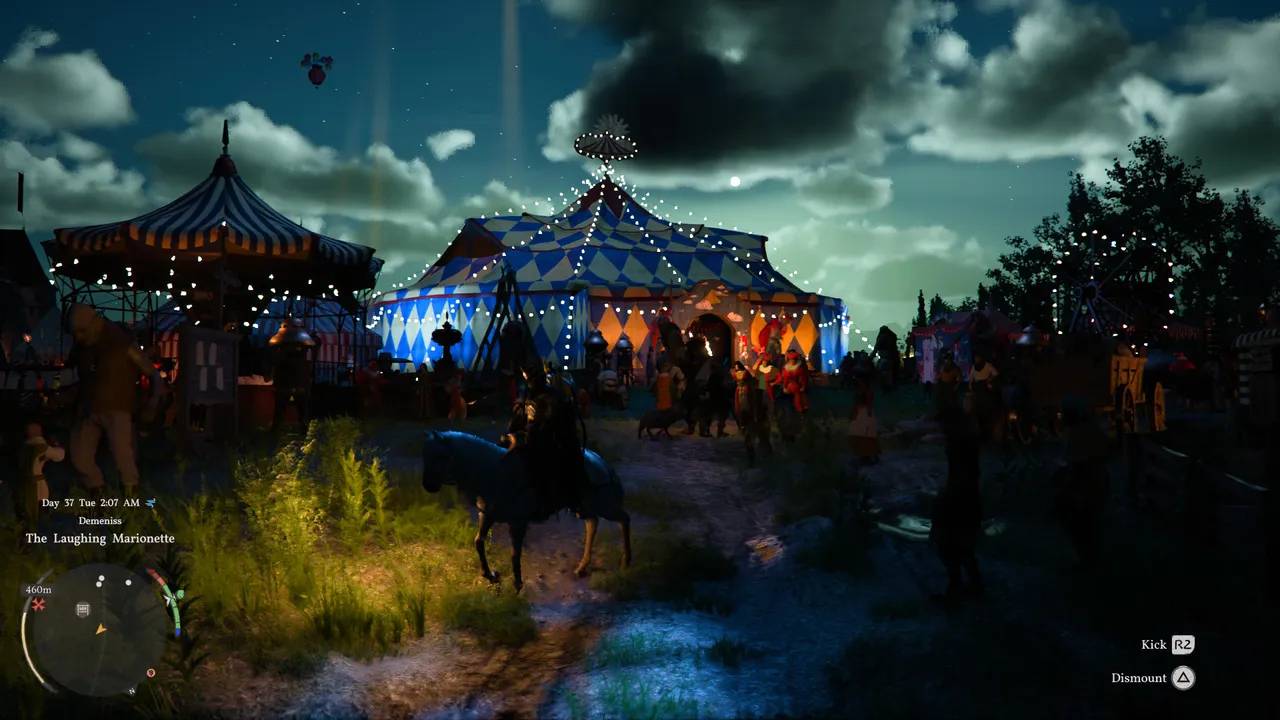
If you are suffering from "Soulslike fatigue," you are in luck. Pearl Abyss has distinctly pivoted away from the slow, stamina-draining, calculated combat of recent RPGs. Crimson Desert opts for a hyper-fast, snappy combat system that makes you feel like a medieval superhero.
While you primarily play as Kliff—a master of melee combat wielding short swords, shields, longswords, maces, and axes—the game features three playable characters you can swap between outside of specific story lockouts. The other characters introduce ranged options like bows and firearms, but Kliff’s brutal, up-close-and-personal style is the undeniable star of the show.
The combat relies heavily on group encounters. You will frequently find yourself surrounded by dozens of enemies. While you still have access to light attacks, heavy attacks, blocks, parries, and dodges, the pacing is frantic. Initially, it feels like a button-masher, but as you progress into tougher regions, the underlying tactical depth reveals itself. You unlock new skills using "Abyss artifacts," earned through exploration and combat, allowing for devastating combo chains.
The Boss Fight Problem
While the mob combat is exhilarating, the boss fights represent a glaring weak point. The visual design of the bosses is spectacular, but they offer almost zero challenge. This is largely due to Crimson Desert’s overly generous healing mechanics.
Eating food heals you instantly, with no interruptible animation. Furthermore, if you die, accumulated special items will instantly revive you mid-fight with up to 30% of your health. Because the combat engine is built for crowd control rather than precise 1v1 dueling, managing your inventory essentially guarantees victory against major bosses. If you are looking for Sekiro-level boss challenges, you won't find them here.
Exploration: The Crown Jewel of Pywel
Where Crimson Desert truly justifies its $69.99 price tag is in its world design and exploration. Pywel is a masterclass in open-world density. It is nearly impossible to travel from point A to point B without getting completely sidetracked by organic distractions.
The game features a dynamic progression system tied to regions. When you enter a new territory, your "trust level" is zero. By completing local quests, dynamic world events, and side activities, you build trust, which in turn scales the difficulty of the region down to manageable levels.
And the activities are endless. You can:
- Manage your own customizable camp.
- Recruit lost comrades and send them on dispatch missions.
- Hunt, fish, and cook to manage your crucial healing supplies.
- Solve intricate, unguided environmental puzzles scattered throughout the world.
- Tame and ride a massive variety of mounts, including horses, lions, bears, and even dragons.
The traversal mechanics heavily borrow from The Legend of Zelda: Breath of the Wild. You have a stamina meter that dictates your ability to climb virtually any surface in the game. Combine this with gliding, grappling hooks, and Jedi-like telekinetic powers unlocked later in the game, and navigating the verticality of The Abyss or the jagged peaks of Trembling Gorge is a constant joy.
Graphics, Performance, and Sound Design
At launch, Crimson Desert was plagued by severe performance issues and bizarre lighting bugs—particularly an issue where indoor environments were flooded with a strange red tint. Fortunately, aggressive post-launch patching has stabilized the experience significantly.
Visuals: Breathtaking Vistas, PS3-Era Faces
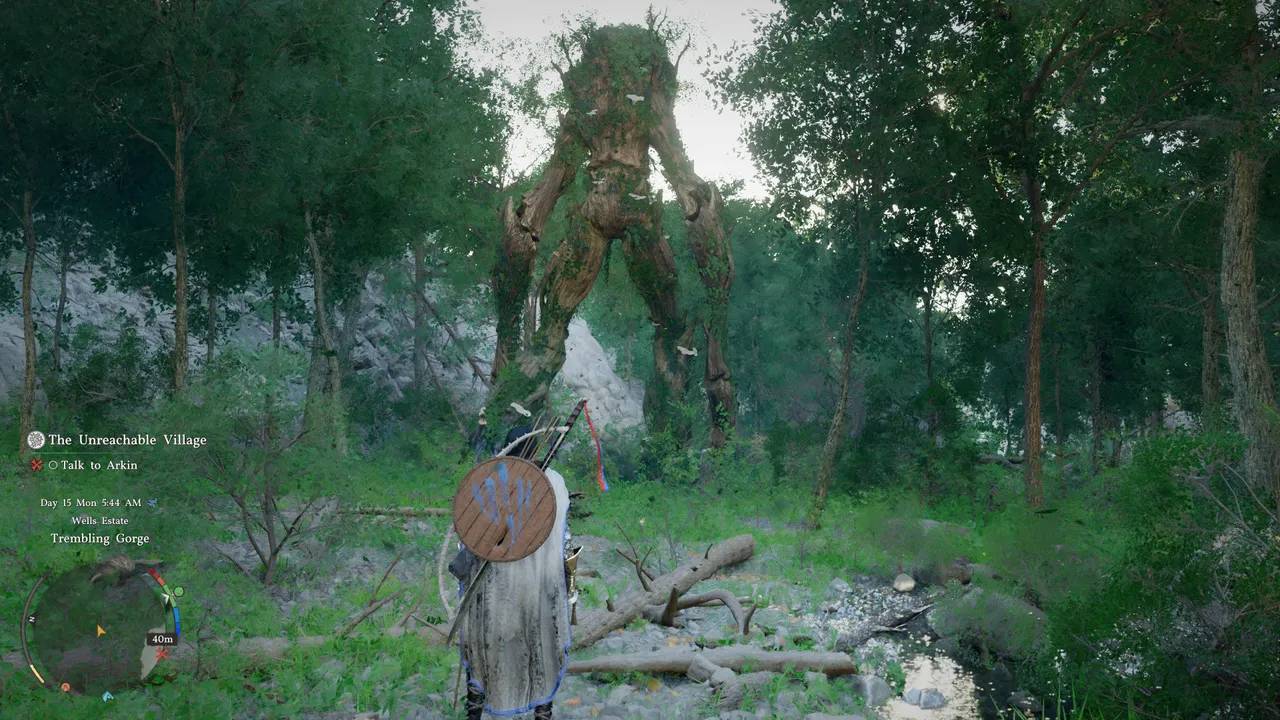
On the PlayStation 5, the game now offers three reliable visual modes: Performance (60 FPS), Balanced (40 FPS), and Quality (30 FPS with maximum graphical fidelity). The landscapes are, without exaggeration, some of the most breathtaking vistas in modern gaming. From the dense, lush forests in the south to the desolate crimson sands in the east and the impossible floating architecture of The Abyss, the world is a visual feast.
However, the character models—specifically NPC faces—are jarringly outdated. While Kliff looks great, generic quest givers and townsfolk look like they were ported directly from a PlayStation 3 game. There is a bizarre lack of variety in facial structures, which severely undercuts the immersion during dialogue-heavy scenes.
Audio: Epic Scores and... Too Much Scottish?
The sound design holds up its end of the bargain. The sweeping orchestral score swells appropriately during massive battles and fades into soothing ambient tracks while exploring the wilderness. It isn't an unforgettable soundtrack, but it fits the high-fantasy aesthetic perfectly.
The voice acting, however, makes a very strange dialectical choice. It seems almost every character in Pywel speaks with a forced, mild Scottish accent. While endearing at first, the sheer lack of vocal variety across such a massive, diverse continent eventually borders on annoying. A wider range of accents would have done wonders for world-building and geographical immersion.
The Final Verdict: Is Crimson Desert Worth It?
Crimson Desert is the equivalent of a massive freight train. It takes an agonizingly long time to build momentum, but once it reaches cruising speed, it is an unstoppable, awe-inspiring force that will consume your free time.
If you lack patience, the 20-hour narrative slog and occasionally outdated NPC visuals might turn you away. But if you are willing to forgive a rough start, Pearl Abyss has crafted an open-world playground that genuinely rivals the titans of the genre. With easily over 150 hours of highly engaging exploration, deeply satisfying superhero-esque combat, and a gorgeous world that begs to be uncovered, Crimson Desert is an RPG triumph that rewards the dedicated player.
Final Recommendation: A must-buy for hardcore open-world RPG fans, but casual players may want to wait for a sale if they aren't prepared for the massive time commitment.