ONIMUSHA 2: SAMURAI’S DESTINY – A FOSSILIZED MASTERPIECE THAT COULD HAVE STAYED BURIED
Onimusha 2: Samurai's Destiny: A Misguided Remaster of a Forgotten Classic
Releasing a high-quality remaster of a beloved classic is usually a surefire win for any publisher. When done correctly, it preserves the soul of the original while stripping away the technical limitations that time has imposed. However, remastering a game while leaving its most glaring design flaws entirely untouched is a recipe for frustration. Unfortunately, Onimusha 2: Samurai's Destiny—the 2025 re-release of the 2002 action-adventure title—is the textbook definition of a problematic remaster.
While the original game was visually impressive for its era, its mechanical backbone is rooted firmly in the early 2000s. By focusing almost exclusively on resolution upscaling and minor graphical polish, Capcom has delivered an experience that feels less like a modern revival and more like a simple compatibility patch. Was this remaster necessary? For anyone who values fluid gameplay and modern design sensibilities, the answer is a resounding "no."
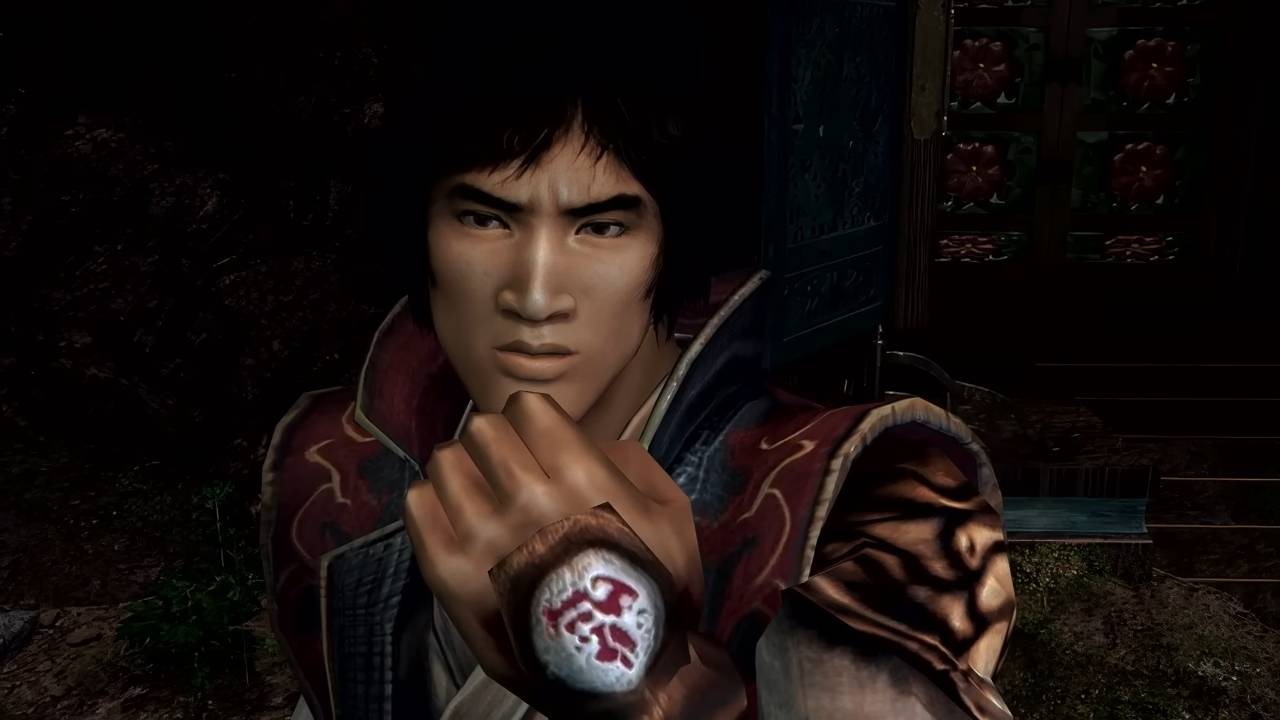
Dated Mechanics and The Struggle of "Preservation"
There is a fine line between "preserving the original vision" and "clinging to obsolete design." Capcom seems to have landed squarely on the latter. When booting up this version on the PlayStation 5, one could be forgiven for wondering if this was actually a new release or a relic from two decades ago. The controls, the storytelling pacing, and the mechanical feedback are so dated that they actively work against the player’s enjoyment.
The Camera and Navigation Nightmare
The most egregious offender is the level design, which remains chained to a stationary, fixed-camera perspective. As you move from one zone to the next, the camera angle snaps instantly to a new, often disorienting position. In the early 2000s, this was a necessary technical limitation due to hardware constraints. Today, it is a persistent source of confusion.
Worse, the directional input logic is tied to the current camera perspective. If you are walking "up" on the analog stick and the camera cuts to a new angle, your character will suddenly change direction, often walking directly into a pack of enemies or off a ledge. When you combine this with the fact that enemies can follow you across these camera-change boundaries, combat turns into a chaotic, frustrating mess where you are fighting the perspective rather than the actual AI.
Shallow Combat Loops
The developers claimed that the controls were "modernized," but in practice, they remain painfully shallow. You are essentially locked into a two-button combat loop that encourages mindless button-mashing the moment you encounter a group of foes. There is no tactical depth, no complex parry timing, and no sense of mechanical growth. It is a system that desperately required a complete overhaul rather than the minor tweaks it received.
A Missed Opportunity for a Full Remake
Looking at Capcom’s recent track record, it is baffling that they chose a "remaster" path for Onimusha 2. The studio is currently the industry gold standard for high-quality remakes, as seen with their masterclass re-imaginings of Resident Evil 2, 3, and 4. In those titles, Capcom completely redesigned the gameplay flow, modernized the camera, and updated the mechanics to fit contemporary standards.
A full remake would have been an expensive undertaking, yes, but it is the only path that would have made this classic truly relevant to a new audience. Instead, we are left with a game that looks slightly sharper but still suffers from the same 23-year-old problems. Sticking to the old saying, "If it isn't broken, don't fix it," is a fatal mistake when the foundation itself is built on outdated design philosophy.
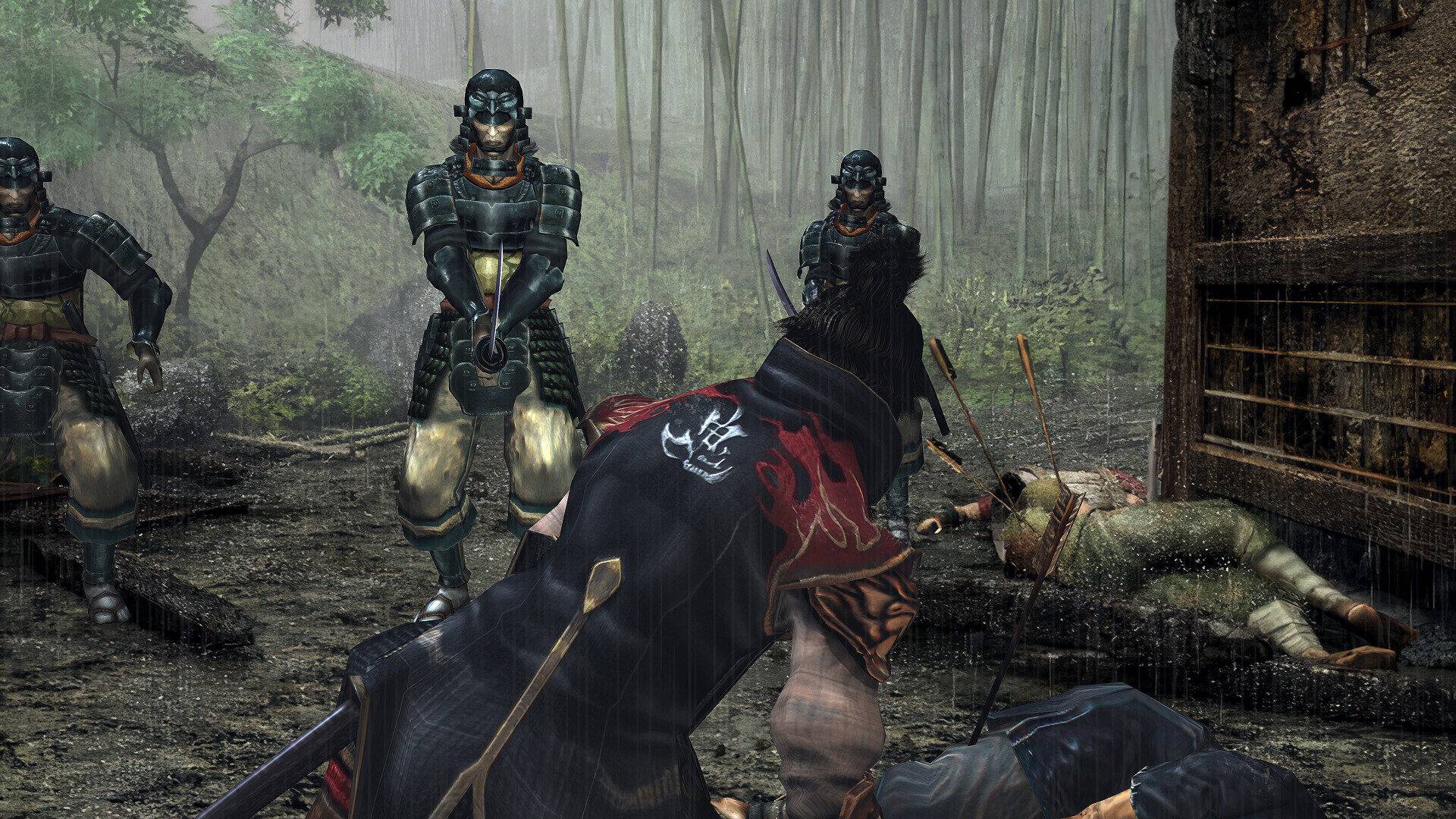
Visuals and Content: The Bare Minimum
If you compare the 2002 original to this 2025 release, the improvements are undeniable on a technical level. The resolution is higher, the textures are cleaner, and you can see better reflections in the water and sword blades. If you are a fan of the game’s original art direction, this remaster will indeed "elevate" that look by a few notches. However, graphical fidelity alone cannot save a game that is mechanically struggling.
Furthermore, the content remains completely intact and unchanged. There are no new voice actors, no expanded story beats, and no "Director's Cut" additions. While some fans might appreciate the purism, it would have been a significant value-add to include something—anything—to freshen up the experience. When compared to other remasters that add features, new voice-overs, or behind-the-scenes galleries, Onimusha 2 feels remarkably light on features.
| Feature | Verdict |
|---|---|
| Resolution/Visuals | Improved, but not a full graphical overhaul. |
| Controls | Dated; suffers from fixed-camera confusion. |
| Gameplay | Shallower than modern standards; button-mashy. |
| New Content | Zero; the game is an identical clone of the original. |
Final Verdict: Is It Worth Your Money?
It is genuinely difficult to find a sensible reason to recommend the Onimusha 2: Samurai's Destiny remaster to anyone other than the most dedicated, nostalgia-blinded superfans. A few resolution tweaks and slightly better lighting are simply not enough to justify the "remaster" price tag in 2025.
This is undeniably a remaster, but it is not the remaster that this classic deserved. If Capcom wanted to honor the legacy of this samurai epic, they should have given it the "Resident Evil Treatment." By choosing the path of least resistance, they have released a title that retains all the baggage of 2002 while failing to offer the excitement of a modern release. Unless you have a burning desire to relive these specific frustrations, this is a title best left in the archives.
Final Score: 4.0 / 10