FALLEN TEAR: THE ASCENSION – THE METROIDVANIA THAT COMPLETELY HIJACKED MY FUNNEL
Fallen Tear: The Ascension Review – A Breathtaking Souls-Lite Metroidvania That Defies Expectations
The Metroidvania genre is arguably one of the most crowded and competitive spaces in the modern gaming industry. With so many indie developers vying for the crown, it is incredibly easy to become cynical when a new 2D platformer is announced. You know the exact feeling: you load up a new title, expecting yet another uninspired Hollow Knight clone that brings absolutely nothing new to the table, asking yourself, "Why do I need to invest my time into yet another one of these?"
That was precisely my mindset when booting up Fallen Tear: The Ascension for the first time. However, I am thrilled to admit that I was sorely mistaken. Right out of the gate, this game proved that it is far more than a simple imitation. Even in its early access phase, Fallen Tear: The Ascension establishes a unique, commanding identity. With its innovative companion-based combat, stunning JRPG-inspired visuals, and finely tuned "Souls-lite" mechanics, it possesses the raw potential to stand shoulder-to-shoulder with the absolute titans of the genre upon its full release.
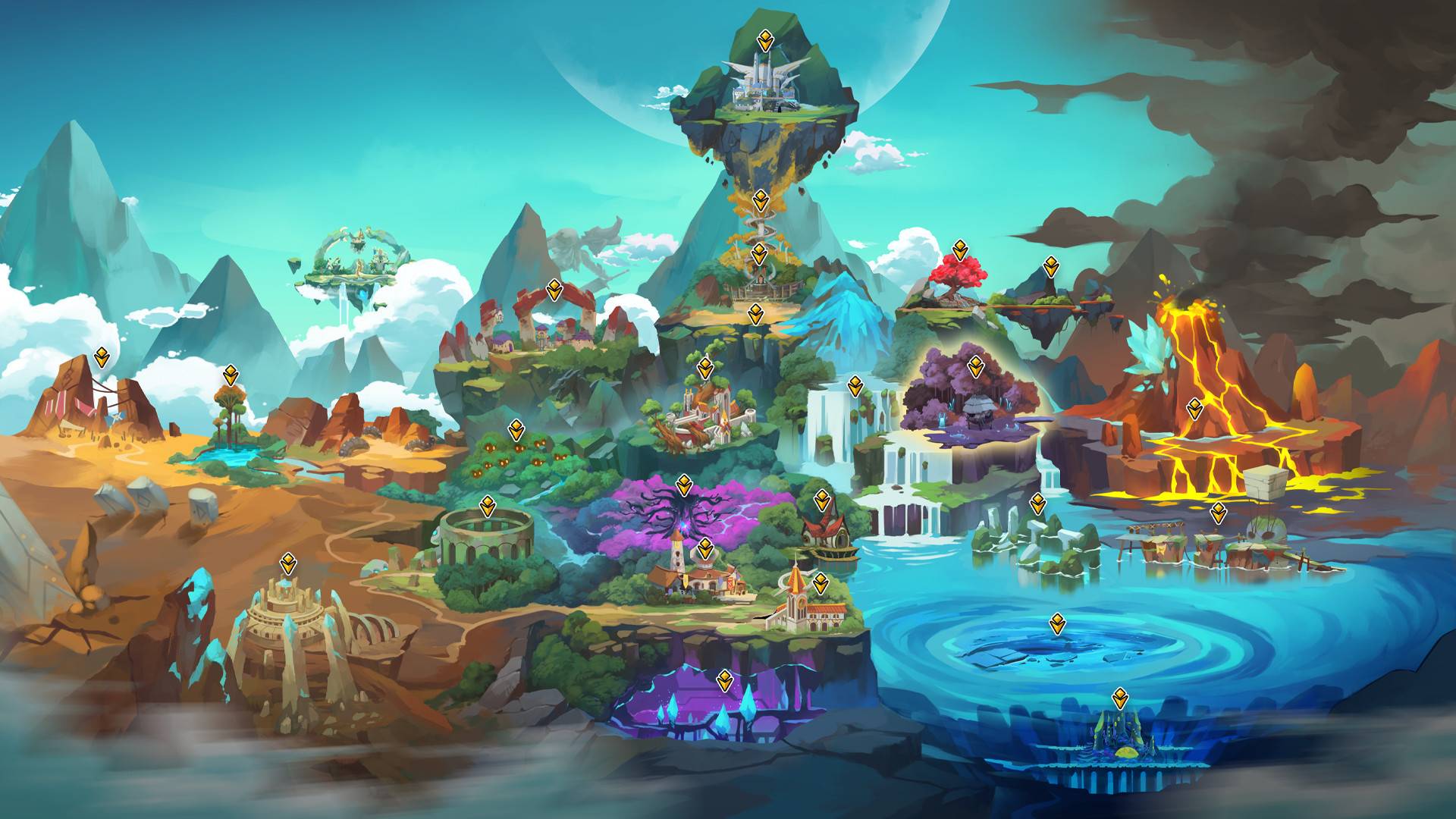
Game Details and Specifications
| Title | Fallen Tear: The Ascension |
| Genre | Metroidvania, Action-Adventure, Souls-lite |
| Developer | Winter Crew Studios |
| Publisher | CMD Studios |
| Release Date | March 17, 2026 |
| Platforms | PC, PlayStation 5, Xbox Series X|S, Nintendo Switch |
| Test System | PC (Ryzen 9 5900x, RTX 3080 Ti, 32 GB RAM) |
Forging a Unique Identity: Anime Meets Dark Fantasy
So, what exactly elevates Fallen Tear: The Ascension above the sea of copycats? The simplest and most accurate answer is its unwavering commitment to its own distinct identity. Instead of merely mimicking the grim, monochromatic aesthetics of its predecessors, Winter Crew Studios opted for a vibrant, beautifully crafted 2D world that feels as though it was pulled directly from a high-budget anime series or a classic JRPG.
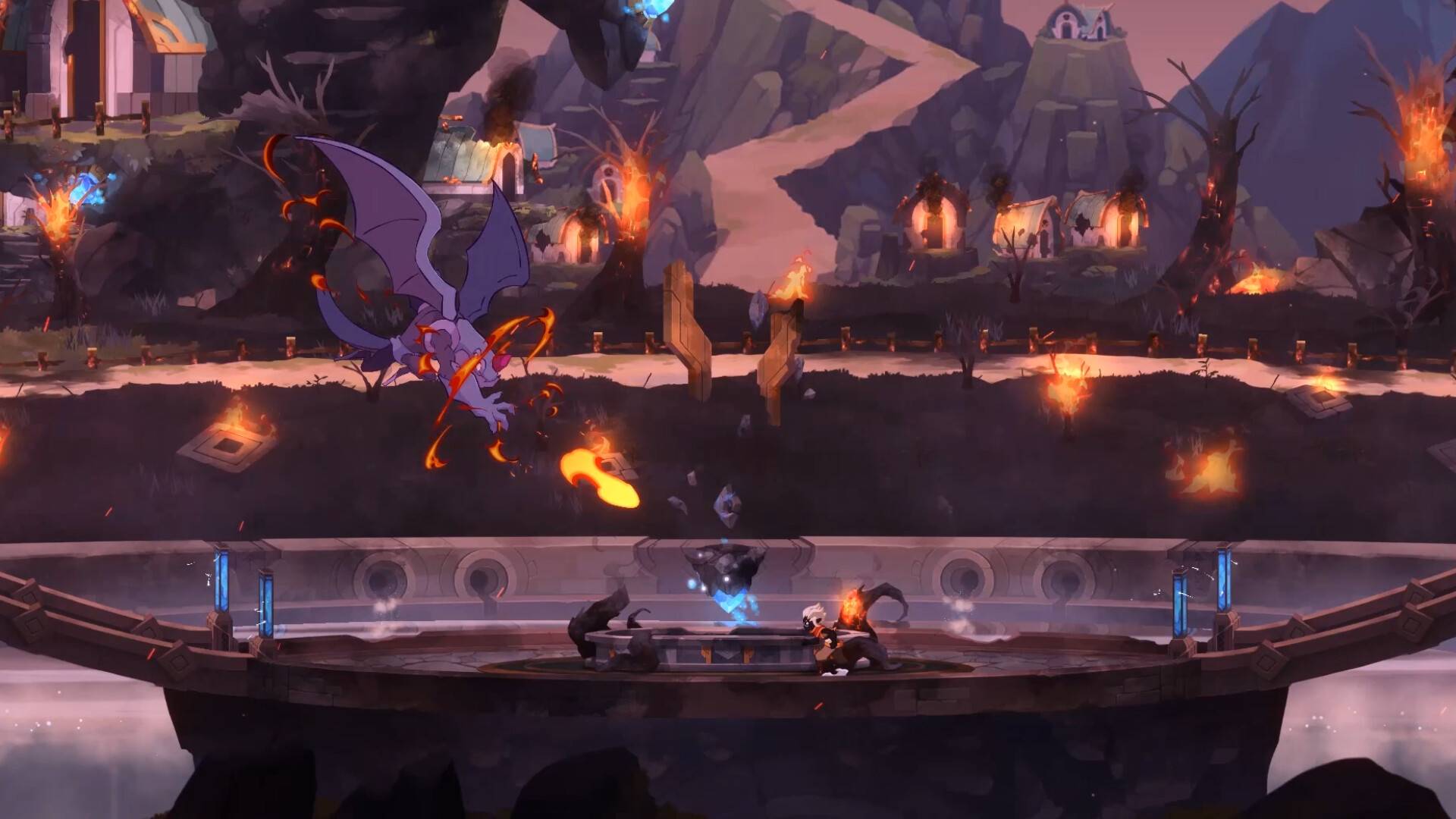
The art style is, without exaggeration, mesmerizing. The developers demonstrate an incredible mastery of color palette manipulation to evoke specific emotional responses. In one breathtaking sequence, you will find yourself navigating through a serene, beautifully lit environment dominated by a cherry blossom tree in full bloom—a visual feast of vibrant pinks and warm lighting. Mere moments later, the tone shifts drastically as you enter a ruined town decimated by demonic forces, where the screen is choked with ash, fire, and muted, oppressive grays. For an indie studio with a presumably limited budget, the level of environmental storytelling achieved through this hand-drawn aesthetic is genuinely spectacular.
A Gripping, Fast-Paced Narrative Mystery
Metroidvanias are not always known for their deep, character-driven narratives, often relying instead on environmental lore. However, Fallen Tear: The Ascension hooks the player immediately with a direct, character-focused mystery.
During the seven-hour early access window, the story wastes no time pulling you in. The game opens with you doing standard hunting tasks alongside your older brother, aiming to prove your worth to the local hunting society. In the blink of an eye, absolute chaos erupts. Stripped of your memories regarding the catastrophic event, you find yourself ostracized and exiled from your own town. This rapid shift from a comfortable, familial tutorial into a dark, isolating exile creates a compelling narrative drive. You are not just exploring to find the next power-up; you are desperately pushing forward to unravel the truth behind your banishment and the sudden demonic incursion. The balance between gameplay progression and story revelation is remarkably well-paced.
Gameplay Mechanics: The "Souls-Lite" Sweet Spot
From a mechanical standpoint, Fallen Tear: The Ascension delivers everything purists expect from the genre: intricate, interconnected maps, satisfying platforming, and abilities that unlock previously inaccessible areas. You will spot high ledges and blocked pathways early on, only to return hours later with a newly acquired wall-climb or air-dash to claim the hidden loot.
However, where the game truly shines is in its approach to difficulty. I would classify this game as a "Souls-lite." It borrows the stamina management, precise dodging, and parrying mechanics of traditional Souls-likes, but sands down the most punishing edges to create a highly accessible, user-friendly experience.
For instance, healing is much more forgiving and easier to execute mid-combat compared to the grueling flask animations in traditional hardcore titles. The movement feels surgical but generous. You will not find yourself smashing your controller into pieces because the game demanded pixel-perfect platforming paired with a microscopic invincibility window. It challenges you, absolutely, but it respects your time and effort. It is challenging, yet entirely fair.
Combat, Exploration, and Boss Encounters
Do not mistake accessibility for a lack of depth. If you waltz into a boss arena expecting to button-mash your way to victory, you will quickly find yourself respawning back at the nearest camp. The combat system—featuring light and heavy attacks, parries, and evasive dashes—requires you to actively learn enemy attack patterns and exploit openings.
In this early access build, players are treated to six main bosses, alongside three hidden, optional bosses for those who love to stray off the beaten path. These encounters are visual spectacles that test your mastery of newly acquired movement abilities. Furthermore, exploration is incredibly rewarding. The world is dense with secrets, shortcuts, and lore fragments. Turning over every stone and pushing against every suspicious wall yields tangible gameplay benefits, making the interconnected map a joy to navigate.
The Game-Changer: Companion-Based Combat
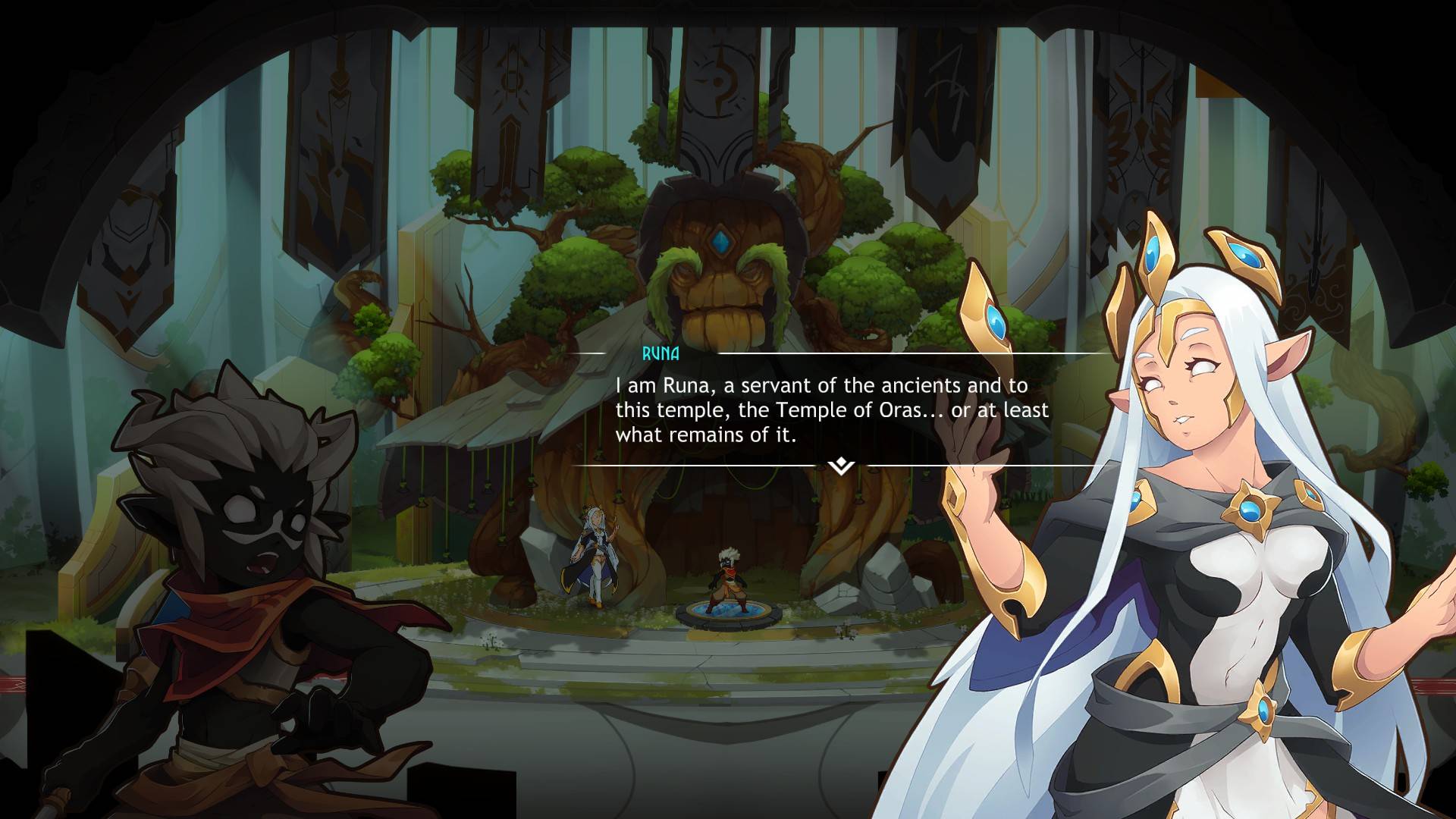
If there is one mechanic that defines Fallen Tear: The Ascension and separates it from the pack, it is the innovative companion system. Traditional Metroidvanias are inherently isolating experiences—it is usually just you against a hostile, dying world. Winter Crew Studios flips this trope entirely on its head.
Throughout your journey, you will encounter a diverse cast of NPCs. Instead of merely acting as lore-dumping signposts or static merchants, many of these characters can be recruited to your cause. By completing specific quests or aiding them in the world, they will formally join your party.
This is not just a narrative gimmick; it is deeply woven into the combat engine. You can call upon your companions mid-fight to execute special abilities, assist in crowd control, or extend your combo strings. This adds a profound layer of strategy to the hack-and-slash mechanics, as you customize your active party to synergize with your personal playstyle. Mixing traditional skill-tree upgrades (unlocked via accumulated XP) with dynamic companion assists creates a combat flow that feels incredibly fresh for a 2D action game.
A Glaring Omission: The Ultrawide Dilemma
While my overall impressions are overwhelmingly positive, the current early access build does suffer from one significant technical downside: a complete lack of ultrawide (21:9) resolution support.
When playing on a high-end PC setup, staring at two massive black bars on the sides of the monitor severely undercuts the otherwise breathtaking visual presentation. In 2026, ultrawide monitors have become a standard fixture for PC gaming enthusiasts. For a game whose art style is its strongest selling point, restricting the field of view is a massive disservice. Given that this is an early access build, one can only hope that the developers patch in native ultrawide support before the official 1.0 launch. It is a minor technical gripe, but a notable one for PC players.
The Final Verdict: Poised for Greatness
There is an old saying: the morning shows how the day will be. If this early access build is any true indicator of the final product, Fallen Tear: The Ascension is destined to become a standout title in the modern Metroidvania renaissance.
Winter Crew Studios has successfully managed to honor the foundational elements that defined the genre decades ago while simultaneously injecting it with much-needed innovation. By blending gorgeous anime-inspired visuals, an engaging companion-based combat system, and highly polished, fair "Souls-lite" mechanics, they have crafted an experience that feels both familiar and entirely new.
Whether you are a hardcore veteran of the genre looking for a fresh combat system or a newcomer seeking an accessible entry point into 2D action-adventures, this game demands your attention. I am eagerly counting down the days until the full release, as Fallen Tear: The Ascension is, without a doubt, a uniquely captivating journey that leaves you desperate for more.