Pragmata Preview | Confusing at First, Brilliant Once Everything Clicks
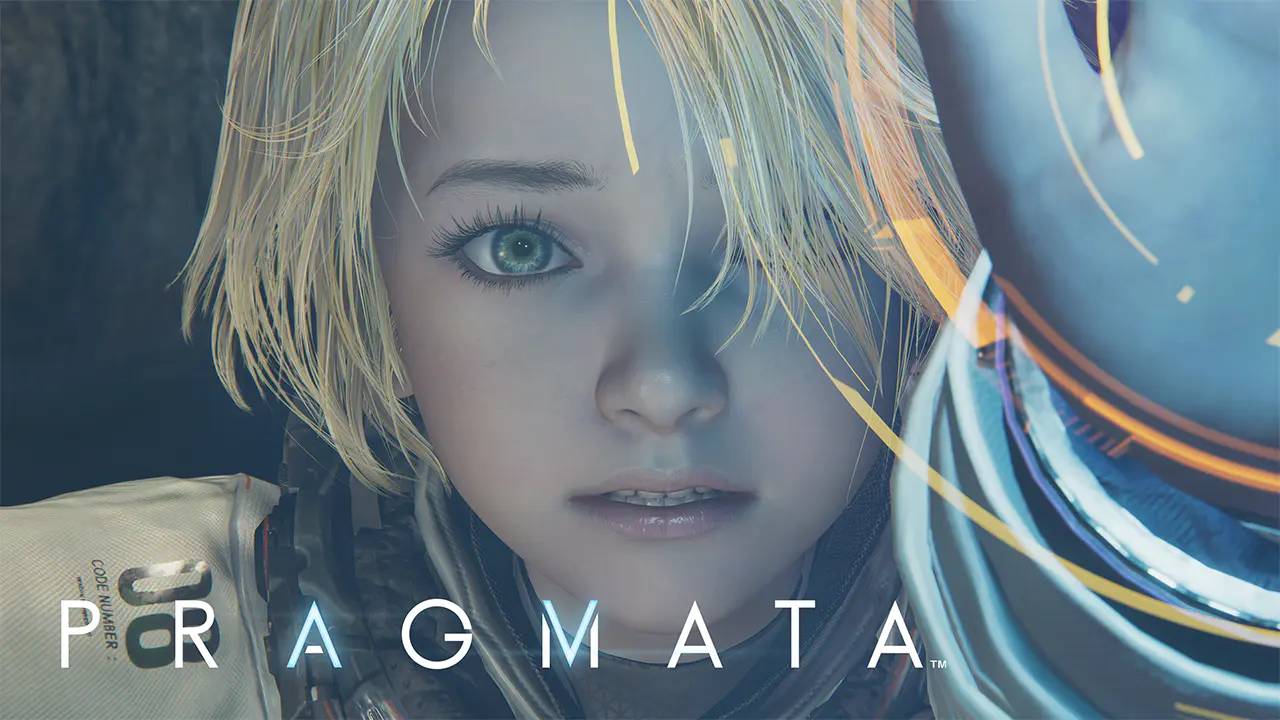
Pragmata Preview – Capcom’s Sci-Fi Mystery Is Surprisingly Fun, Smart, and Refreshingly Human
For years, Pragmata has existed as one of gaming’s biggest mysteries.
Ever since Capcom first revealed the project with its strange sci-fi trailers, moon imagery, and unsettling futuristic atmosphere, players have been trying to figure out exactly what this game actually is. Was it survival horror? A cinematic action game? A puzzle-heavy adventure? Honestly, even after multiple trailers, nobody seemed entirely sure.
That uncertainty created both excitement and concern.
When I finally had the chance to preview Pragmata hands-on, I expected something complicated—maybe even overwhelming. The idea of simultaneously controlling two characters during combat while managing hacking mechanics sounded like the kind of system that could easily collapse under its own ambition.
Instead, after only twenty minutes with the demo, one thing became immediately clear:
Pragmata is genuinely impressive.
More importantly, it’s fun in a way that feels natural almost instantly.
A Mysterious Sci-Fi World With Strong Emotional Potential
Pragmata places players in the role of Hugh Williams, an astronaut investigating a lunar research facility after communication with the station mysteriously disappears.
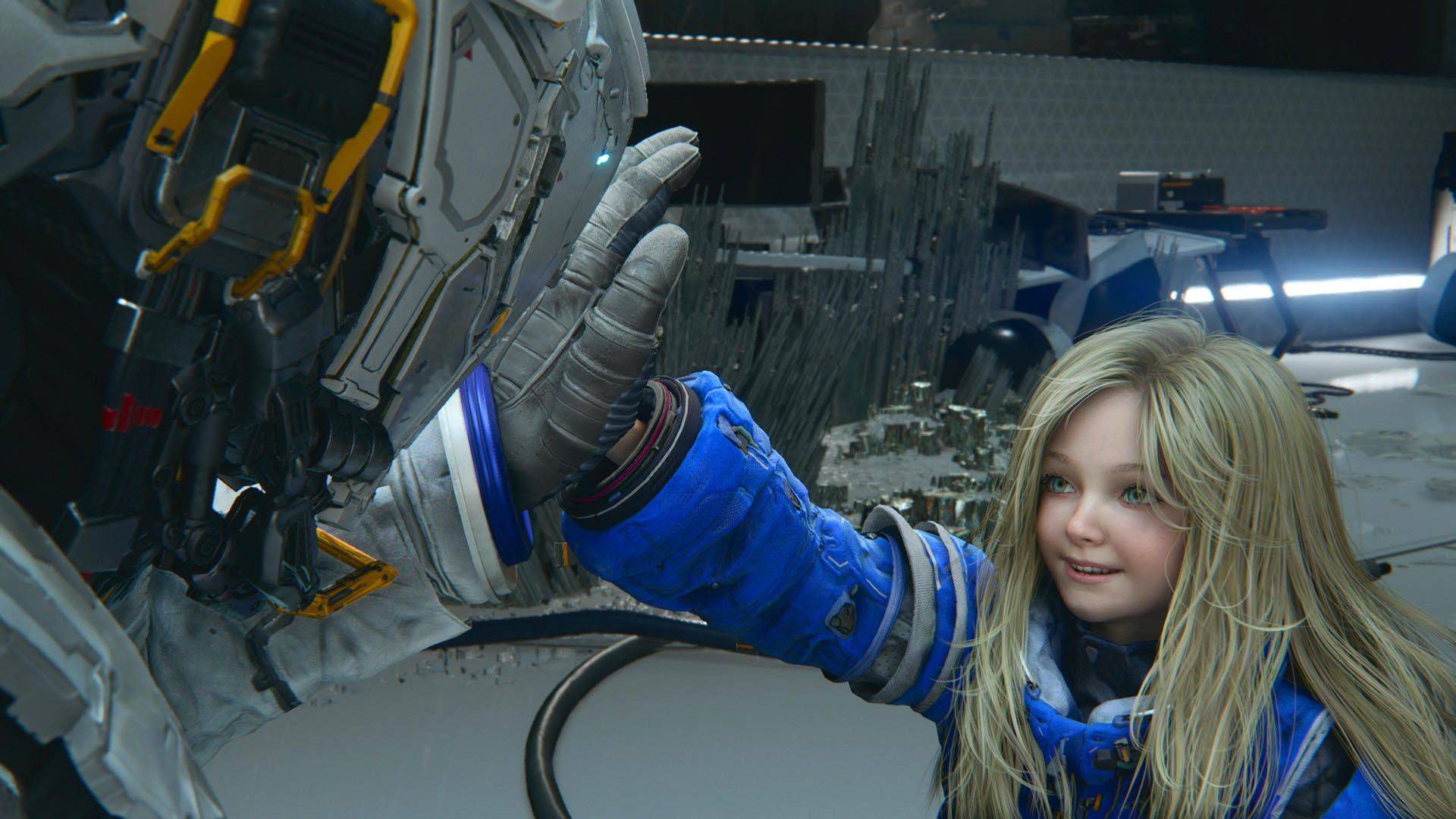
Following a catastrophic lunar quake, Hugh encounters Diana, an advanced android who appears in the form of a young girl. From that point onward, the two become inseparable as they attempt to survive the collapsing station while uncovering whatever disaster occurred on the moon.
At first glance, the setup immediately invites comparisons to other famous “reluctant protector” relationships in gaming. It’s obvious Capcom is building toward a father-daughter dynamic between Hugh and Diana.
Thankfully, Pragmata doesn’t seem interested in repeating the overly grim emotional formula that has become increasingly common in narrative-driven games.
Instead of leaning into constant misery or emotional exhaustion, the relationship between Hugh and Diana feels surprisingly warm, playful, and human.
Their conversations during gameplay carry a lighter tone filled with small moments of humor and curiosity. Hugh behaves less like a traumatized antihero and more like someone genuinely trying to understand and protect Diana without immediately becoming the stereotypical “emotionally broken father figure.”
That difference matters more than people may expect.
The chemistry between the two characters already feels natural, and if Capcom maintains this balance throughout the full game, Pragmata could end up delivering one of the most likable companion dynamics in recent memory.
The Combat Looks Complicated… Until You Actually Play It
The biggest surprise during the demo was how intuitive Pragmata’s combat system actually feels.
On paper, it sounds chaotic.
Players control Hugh directly during combat while simultaneously using Diana to hack enemies in real time. Diana exposes weak points and disables enemy defenses while Hugh handles movement, shooting, dodging, and survival.
Normally, juggling multiple mechanics like this can become frustrating very quickly.
But Pragmata somehow makes it feel seamless.
Rather than overwhelming the player with menus or complicated commands, the game naturally trains you to think about hacking before shooting. After only a few encounters, using Diana’s hacking abilities becomes second nature.
The hacking system itself functions like a quick puzzle mechanic layered directly into combat encounters.
Using button inputs instead of traditional directional controls initially feels unusual, but after several fights it becomes surprisingly satisfying and responsive.
The best part is that the entire system flows smoothly without constantly interrupting combat momentum.
You aren’t stopping gameplay to solve lengthy puzzles. Instead, hacking becomes part of the rhythm of every encounter.
That rhythm is what makes the combat so addictive.
Fast, Fluid, and Surprisingly Stylish Combat
Once combat clicks, Pragmata becomes incredibly enjoyable.
Hugh controls exactly how you’d expect a futuristic astronaut action hero to control. He can jump, dodge incoming attacks, hover through the environment, and quickly reposition during firefights.
Meanwhile, Diana continuously supports him by hacking enemies, opening locked pathways, interacting with environmental systems, and even activating checkpoints if Hugh dies during difficult encounters.
The result is a gameplay loop that constantly encourages cooperation between both characters rather than making Diana feel like a passive companion.
Enemy encounters feel dynamic because players must stay mobile while managing offensive pressure and hacking opportunities simultaneously.
Destroying enemies is also extremely satisfying.
Weapons feel impactful, enemy reactions are strong, and explosions carry enough visual feedback to make every successful attack rewarding. There’s an almost arcade-like flow to combat that makes encounters feel exciting without becoming exhausting.
Even though the demo was relatively short, it was long enough to reveal something important: Pragmata clearly understands the importance of gameplay feel.
And honestly, that alone already separates it from many modern cinematic action games.
Diana Is More Than Just a Companion
One of the smartest aspects of Pragmata’s design is how essential Diana feels throughout gameplay.
In many companion-based games, secondary characters exist mainly for story purposes while contributing very little mechanically.
That doesn’t appear to be the case here.
Diana actively shapes the pacing of exploration and combat. She hacks doors, manipulates systems, disables enemy defenses, and essentially functions as the technological backbone of Hugh’s survival.
Without her, Hugh would be significantly weaker.
This creates a genuine sense of partnership between the characters rather than a simple escort dynamic.
Capcom also deserves credit for making Diana useful without making her annoying—a surprisingly difficult balance for AI companion characters.
At least based on the demo, she feels integrated naturally into both gameplay and storytelling.
The Atmosphere and Visual Design Are Outstanding
Visually, Pragmata immediately stands out.
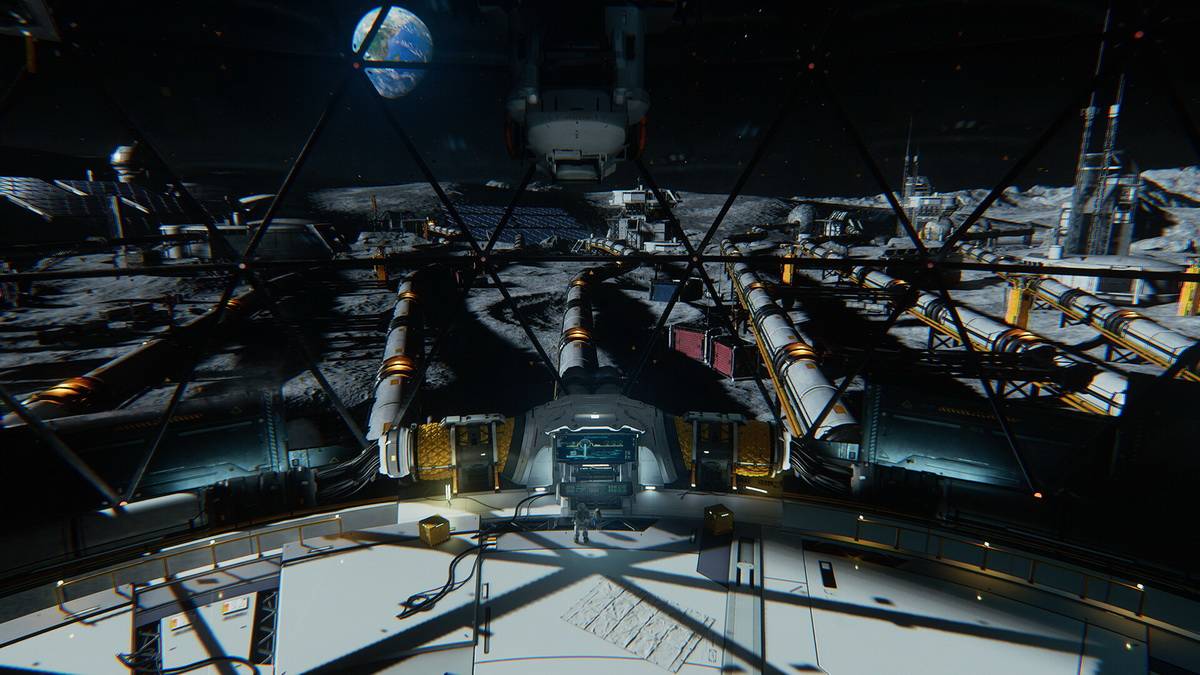
The lunar facility shown during the demo combines cold futuristic architecture with eerie environmental destruction, creating an atmosphere that constantly feels mysterious and slightly unsettling.
Large metallic corridors, damaged research stations, flickering holograms, and massive views of space all contribute to the game’s strong sci-fi identity.
Capcom clearly wants Pragmata to feel cinematic, but importantly, it never feels like style is overpowering gameplay.
The visual presentation supports the experience rather than distracting from it.
Character animations also looked excellent throughout the demo.
Both Hugh and Diana display strong emotional expressiveness during dialogue scenes, helping sell their developing relationship even within a relatively short preview segment.
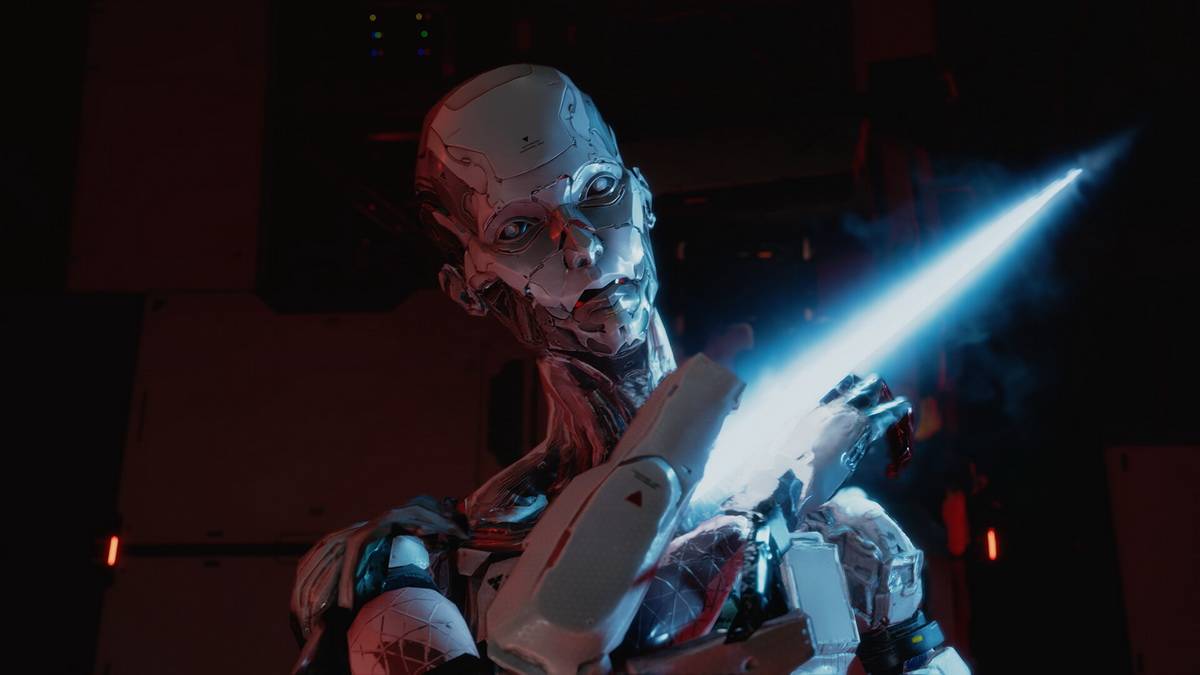
Enemy designs lean heavily into sleek futuristic robotics rather than traditional alien monsters, which helps Pragmata maintain its grounded sci-fi tone.
[Image Placeholder: Hugh and Diana standing inside a futuristic lunar facility with holographic systems glowing around them]Performance Was Surprisingly Polished
One thing that stood out immediately during the preview session was how polished the demo already felt.
Performance remained consistently smooth throughout gameplay with no noticeable stuttering, major frame drops, or technical instability.
That level of optimization is especially encouraging considering how visually ambitious Pragmata appears to be.
Combat transitions felt responsive, loading between gameplay sections was seamless, and animation quality remained consistently strong throughout the demo.
Of course, preview builds never fully represent final launch quality, but the current state of the game already feels remarkably polished compared to many recent AAA previews.
Could Pragmata Become Capcom’s Next Big Surprise?
Honestly, yes.
After spending time with the demo, Pragmata no longer feels like a strange experimental side project. Instead, it feels like a carefully designed sci-fi action game with genuine personality.
What impressed me most wasn’t necessarily the visuals or combat mechanics individually—it was how naturally everything worked together.
The relationship between Hugh and Diana feels charming instead of forced. The hacking mechanics feel engaging instead of complicated. The combat feels stylish without sacrificing clarity.
Most importantly, Pragmata feels confident in its identity.
That confidence is exciting because Capcom has been on an incredible streak lately across multiple franchises, and Pragmata could easily become another major success if the full game maintains the quality shown in this preview.
There’s still plenty we don’t know about the larger story, progression systems, enemy variety, or overall game structure.
But after this demo, one thing is certain:
Pragmata immediately jumped near the top of my most anticipated upcoming games list.
Preview Pros:
- Surprisingly intuitive dual-character gameplay.
- Fun and satisfying hacking mechanics.
- Strong chemistry between Hugh and Diana.
- Excellent sci-fi atmosphere and art direction.
- Smooth and polished combat performance.
Preview Concerns:
- Long-term gameplay variety remains unknown.
- Story pacing still needs to prove itself in the full game.
- Enemy diversity was limited in the demo.
Early Impression Score: Very Promising
```